
Going on safari is arguably the best vacation decision you’ll ever make. But should you focus on East or Southern Africa? Allow our resident expert to break down the differences.
Section Type: imageOnLeftParagraphToRight
About the author: Born and raised in South Africa, Nick Dall went on his first safari before he could walk. Since then, he’s visited dozens of national parks across the African continent.

First things first
There’s no “better” or “worse” when it comes to comparing the two safari regions, only “different”. I always advise clients to go on safari in both regions (preferably multiple times) during their lifetimes.
3 key similarities
Broadly speaking, you’ll see the same animals. An East African elephant is just as magnificent as a Southern African elephant! Both regions boast the Big 5 (although rhinos aren’t that plentiful in East Africa) and a whole lot more to boot.
You’ll learn so much. The highlight of any safari is the guide(s). In my experience they are always highly knowledgeable, passionate and entertaining. Going on safari is like going on a week-long biology practical, with the coolest biology teacher.
You’ll eat (and drink) like kings (and queens). I’ve never felt remotely hungry at a safari lodge: whether you’re staying in a 3* camp with a homestyle buffet or a 5* lodge with a Paris-trained chef, the food is always copious and always scrumptious.
3 key differences
Safari style. In Southern Africa, game drives are usually run by your lodge, with a dedicated guide and tracker taking you and other lodge guests out in the morning and afternoon. Off-roading and night drives are the norm in many Southern African parks. In East Africa you can choose between a private driver-guide in a closed vehicle and lodge game drives in open vehicles. It’s also possible to do a combo of the two. Off-roading and night drives aren’t as common in East Africa.
There’s no Great Migration in Southern Africa. The annual Great Migration of more than a million wildebeest and hundreds of thousands of zebra is one of East Africa’s great spectacles. Southern Africa has plenty of impressive seasonal movements of its own (Botswana’s Zebra migrations are pretty spectacular), but nothing on quite this scale.
You can’t really do water-based safaris in East Africa. East Africa has plenty of lakes and rivers, but, with one or two exceptions, safari activities here are almost always land-based. In Southern Africa, meanwhile, you can mix game drives with boat safaris, mokoro excursions and canoe trips, particularly in the Okavango Delta and in the Lower Zambezi in Zambia.
The quintessential East African experience
Section Type: standardWidthImageS
Elephants standing in front of the majestic Mount Kilimanjaro.
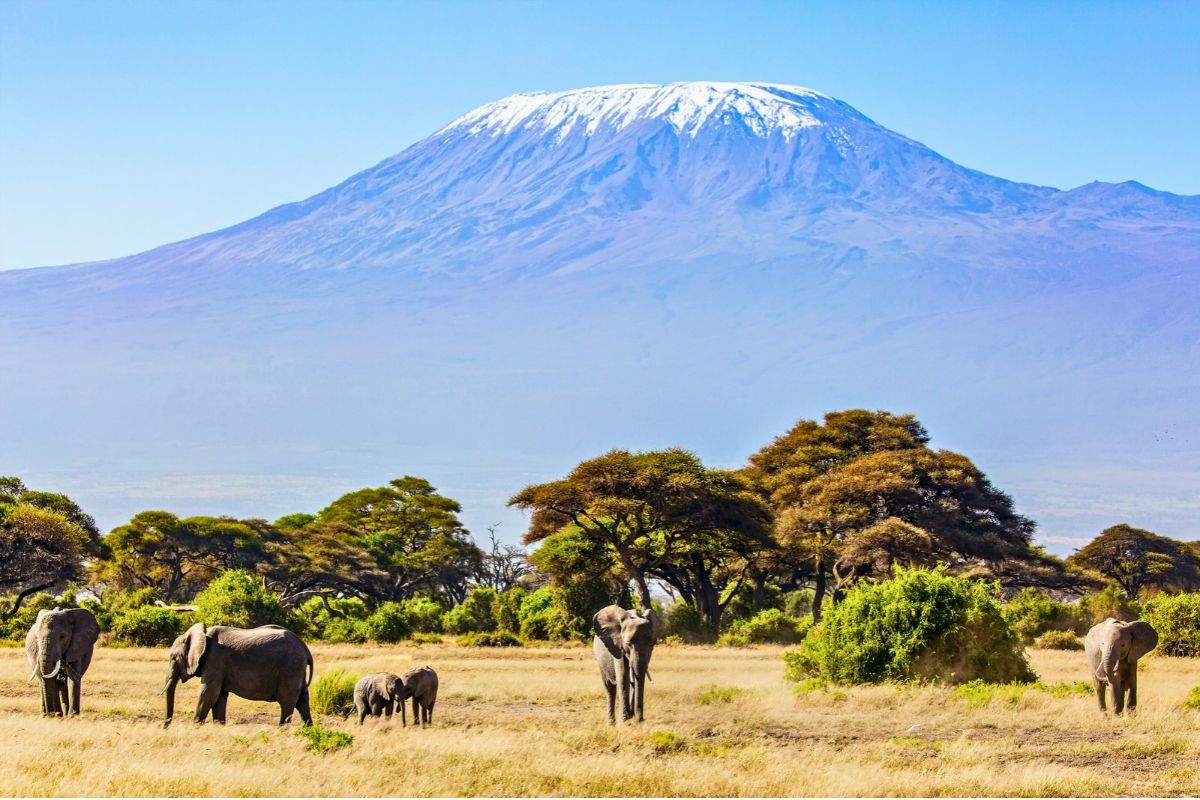
Think big open plains, vast distances and wildlife moving wherever it pleases, with huge seasonal variations. Traditionally, East Africa safaris have always been done in closed 4x4s (with pop-up roofs) with a private guide and driver, covering long distances in and between parks.
These days, however, East Africa isn’t exclusively about long drives in closed vehicles. Many lodges offer guided game drives in their own open vehicles, and flying between parks is very easy. It’s just less common to spend an entire safari that way. Night drives and off-roading aren’t as common in East Africa – with the exception of the private concessions in the Masai Mara and other parts of Kenya.
Amboseli, Kenya: Famous for its enormous elephant herds and spectacular views of Mount Kilimanjaro. It’s a relatively compact park, making it a great place to ease into an East African safari.
Serengeti, Tanzania: One of Africa’s great safari destinations, and for good reason. It’s vast, wild and packed with wildlife. The Serengeti is the main backdrop for the Great Migration, so different areas come into their own in different months. Both the Serengeti and the Masai Mara can get pretty crowded during the Great Migration – although the Masai Mara does have private concessions.
Masai Mara, Kenya: Kenya’s answer to the Serengeti, with abundant wildlife, big cats and wide-open grasslands. Come during the right months and you may also witness the Great Migration crossing the Mara River. The private concessions here are a major drawcard: fewer people and the ability to go off-road and do night drives.
Ngorongoro, Tanzania: The crater is a natural amphitheater teeming with wildlife, and one of the easiest places in Tanzania to see a huge variety of animals (including rhinos). The views from the rim will take your breath away.
Tarangire, Tanzania: A quieter alternative to some of Tanzania’s headline destinations, with enormous baobabs, large elephant herds and a wonderfully wild feel. It’s particularly good during the dry season, when animals congregate around the Tarangire River.
Gorillas or Zanzibar: Want to add something completely different? A gorilla trek in Uganda or Rwanda can be combined with an East African safari, while Zanzibar makes an easy and wonderfully relaxing beach finale.
The classic Southern Africa experience
Section Type: standardWidthImageS
A hippo peaks its head out of the Chobe River
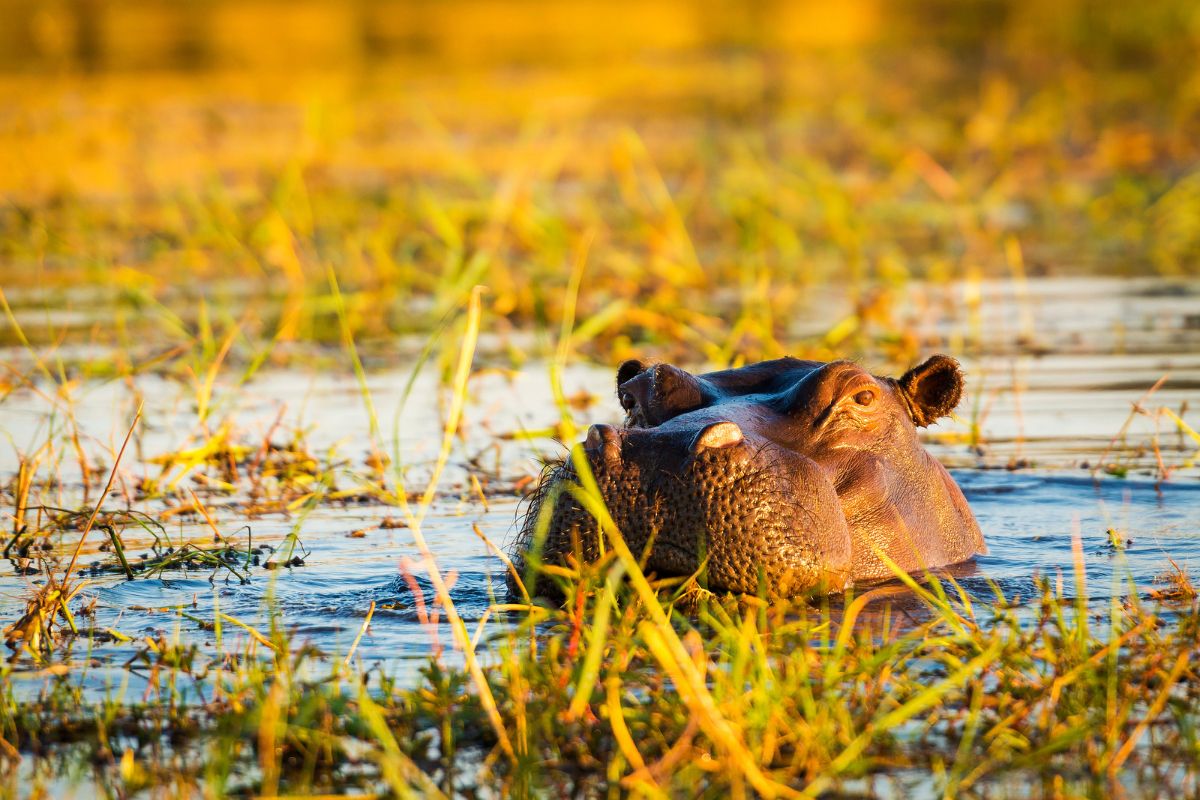
In Southern Africa, you’ll typically fly between lodges. Game drives are almost always provided by your lodge or camp, with set morning and afternoon drives and plenty of time to relax at the lodge in between. Open-sided vehicles are the norm, and off-roading, walking safaris and night drives are commonplace.
In places such as the Okavango Delta, Chobe and Zambia, you can also get off terra firma altogether, with boat trips, mokoro excursions and canoe safaris.
Greater Kruger: A string of private reserves share unfenced borders with the Kruger National Park. We only use lodges in these private conservancies, where you can enjoy off-roading, night drives and walking safaris alongside classic game drives.
Victoria Falls: One of Africa’s great natural wonders, and a spectacular way to add something beyond wildlife to a safari (although you will see lots of elephants and hippos at Vic Falls.)
Chobe: Best known for its huge elephant population, Chobe offers both classic game drives and boat safaris along the Chobe River. Watching elephants come down to drink from the river as the sun sets is one of those safari moments you won’t forget.
Okavango: The Okavango Delta is about as different from a traditional game-drive safari as you can get, although the land-based game viewing is also exceptional. Explore its waterways by mokoro and boat, and look out for everything from elephants and hippos to wild dogs and big cats.
Cape Town: If you’re coming all the way to Southern Africa, why not add a few days in Cape Town? Great food, wine, beaches, mountains and plenty to explore make it an easy and rewarding addition to a safari.
When to go
Section Type: standardWidthImageS
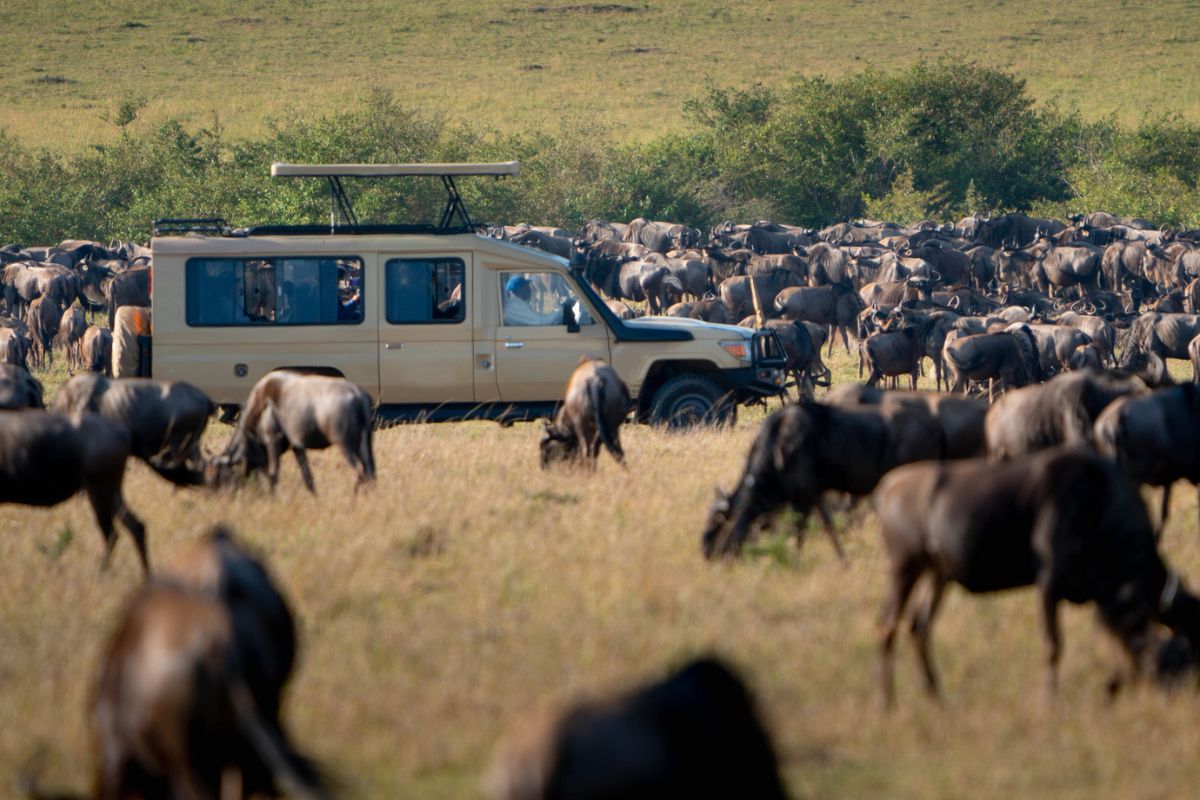
The Great Migration occurs in East Africa during the dry season.
There’s no single best time to go on safari. Both regions have distinct wet and dry seasons, and the experience can change dramatically depending on when you visit.
In East Africa, the dry months of roughly June to October are popular for good reason: wildlife tends to congregate around water, vegetation is thinner and conditions are generally good for game viewing. This is also when the Great Migration is moving through the Serengeti and, later, the Masai Mara, although exactly where the herds will be is dictated by the rains. January and February can also be excellent, particularly in Tanzania’s Southern Serengeti, when wildebeest gather for calving season.
Southern Africa’s dry season, generally May to October, is similarly good for game viewing, with animals concentrating around dwindling water sources. But the green season has its own appeal, bringing dramatic skies, newborn animals, migrant birds and lush landscapes. Botswana’s Okavango is a particularly interesting case: the delta’s annual flood arrives during the dry season, transforming its waterways just as the surrounding landscape is drying out.
In other words, don’t choose your dates first and the destination second. Tell us when you want to travel and what you’d like to see, and we can point you towards the places that make the most sense.
Is there a cost difference?
Not really. When you factor in the quality of the lodges, activities, private guides and internal flights, a safari in either region can end up costing roughly the same. The big variable is season: prices can vary hugely depending on when you travel.
What about kids?
Section Type: standardWidthImageS
The right Safari can be a grand adventure for adults and children alike.
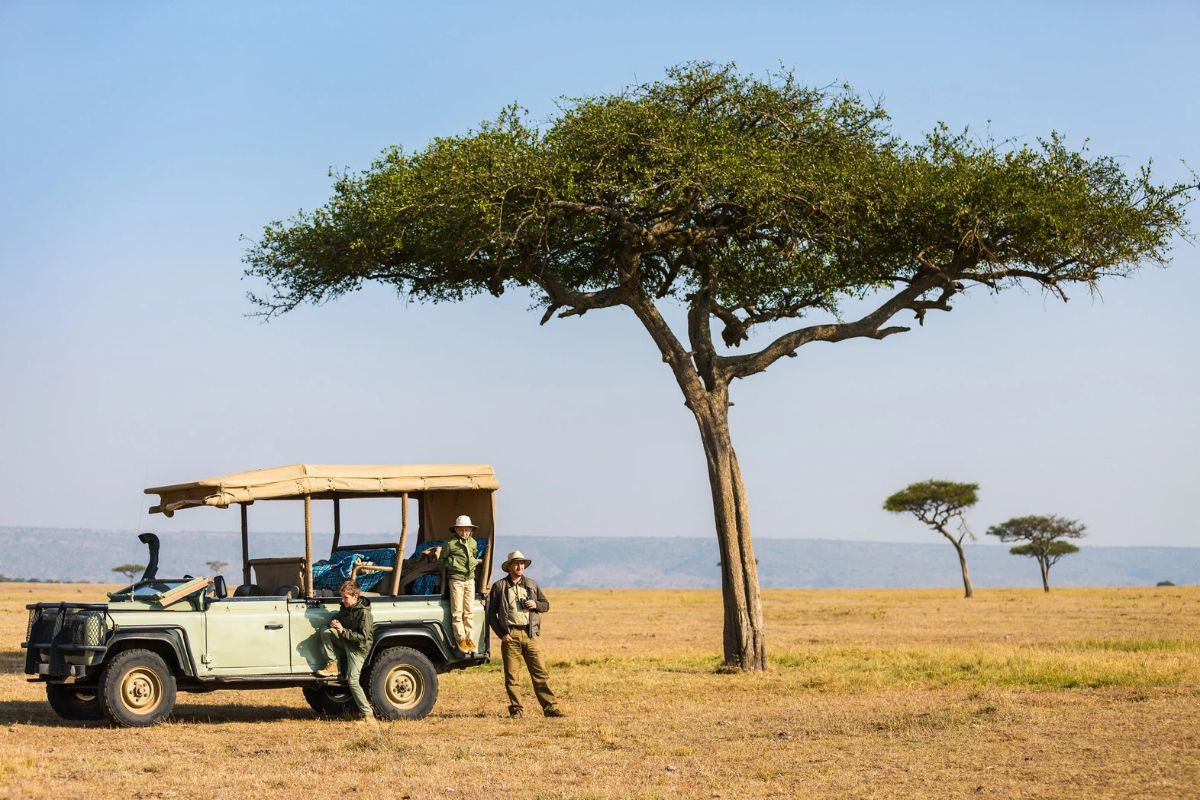
People often ask whether their kids will get bored on game drives. In my experience the answer is a resounding NO. Kids aged 4 or older love game drives, although different lodges have different policies regarding age limits. Really long drives in East Africa can be a bit much for younger children, so Southern Africa can be a good option with young kids. Some lodges also have dedicated kids’ programs, with everything from bush skills and tracking to cooking and crafts.
Is it possible to combine East and Southern Africa?
Of course it is, but this is really only a good idea if you have a decent amount of time as you can end up spending a lot of time on planes and in airports. I’d say it’s better to do one region properly and then come back in a few years (once the safari bug bites it’s terminal) to experience the other.
What if I want to see gorillas?
Section Type: standardWidthImageS
Gorilla trekking works best logistically when added to an East Africa Safari.
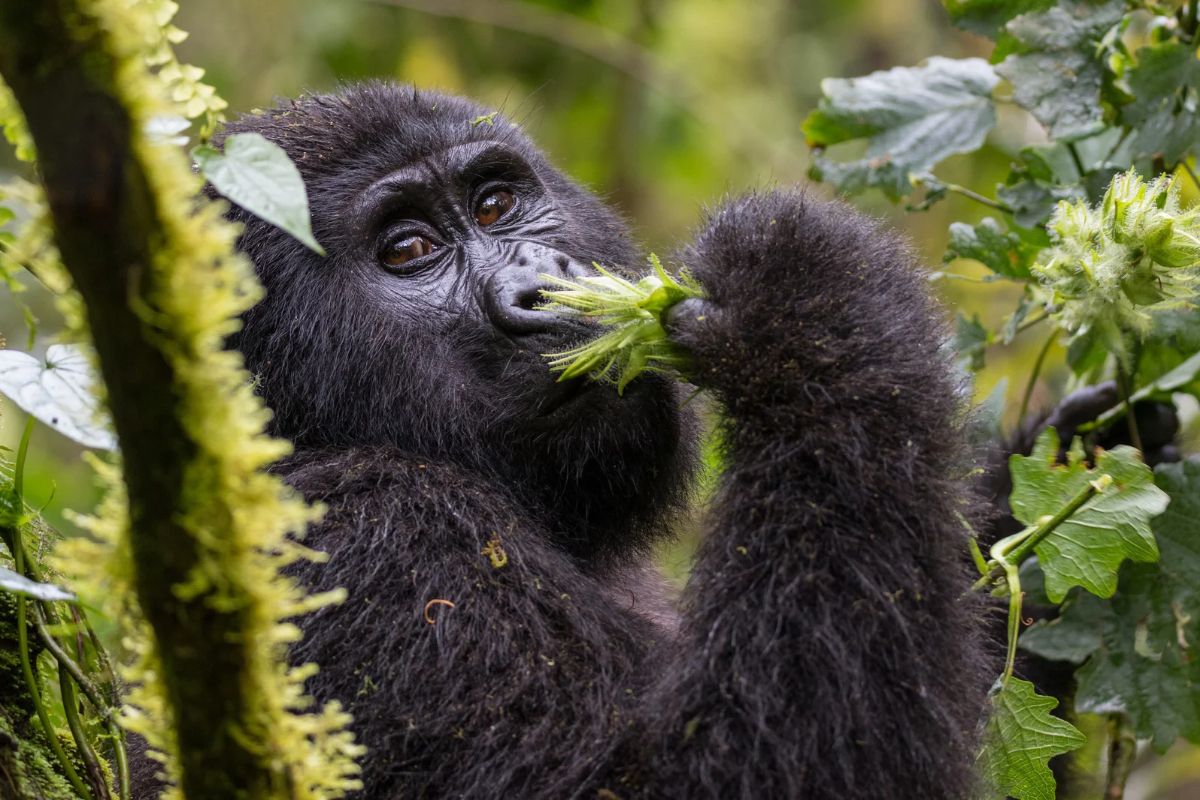
Gorilla trekking in Uganda or Rwanda can certainly be added onto a Southern African trip, but it works better logistically with an East African safari. Trekking through the forest to spend an hour with a habituated gorilla family is a completely different experience from a traditional safari – and one of the most memorable wildlife encounters you can have anywhere in the world.
What about Victoria Falls?
Section Type: standardWidthImageS
A trip to Victoria Falls can be seamlessly added in to a South Africa safari.
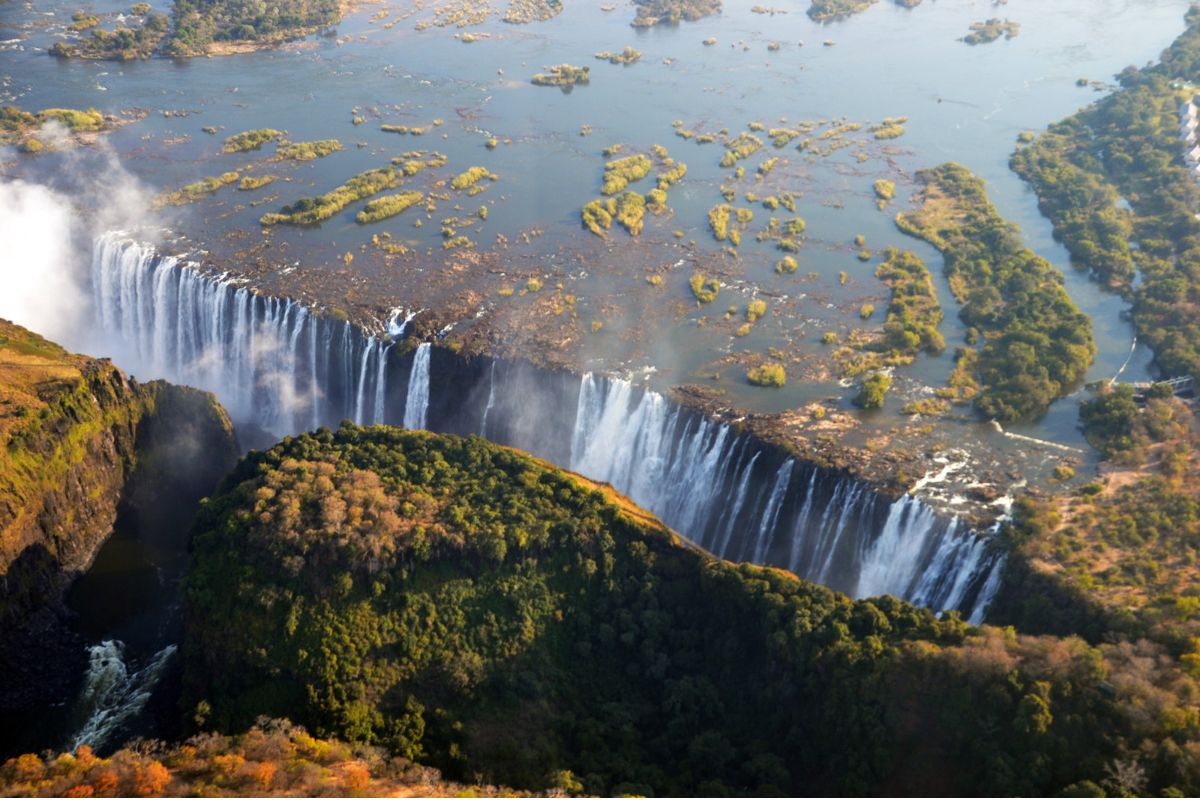
Victoria Falls can be combined with East Africa, but it combines seamlessly with a Southern African safari. Victoria Falls airport is a regional hub so you can easily fit in two or three nights without disrupting the flow of your safari. That said, if Victoria Falls is high on your wish list, there’s no reason you can’t add it to an East Africa trip.
Section Type: cta
Both regions are fantastic, but they offer quite different safari experiences. Still unsure which way to go? Speak to a Destination Expert and we’ll answer your questions, talk through the options and help you work out which safari makes the most sense for you.












Copyright © 2026 SA Luxury Expeditions LLC, All rights reserved | 8 The Green, Suite A, Dover, DE, 19901 | 415-549-8049
