



For such a small country, New Zealand has an extraordinary collection of birds. Its long isolation from the rest of the world allowed species to evolve in unusual ways, producing flightless birds, giant parrots, colourful forest dwellers and birds with some very distinctive personalities.
Why are New Zealand’s birds so unusual?
New Zealand was isolated from other landmasses for millions of years, and, until humans arrived, it had almost no native land mammals apart from bats. In their absence, birds occupied ecological niches that mammals fill elsewhere.
The result was an avian world that looked very different from what you might find in other parts of the planet. Some birds became large and flightless; others became nocturnal. The kākāpō, for example, is a flightless, nocturnal parrot, while the kiwi has tiny wings, no tail and loose, hair-like feathers.
You can explore the country's extraordinary birdlife through the Department of Conservation's A–Z guide to New Zealand's native birds, which is an excellent resource if you want to identify something you've spotted on the road or trail.
The kiwi: New Zealand’s most famous bird
Section Type: standardWidthImageS
A roadside sign featuring the kiwi, New Zealand’s most famous bird and a beloved national symbol.
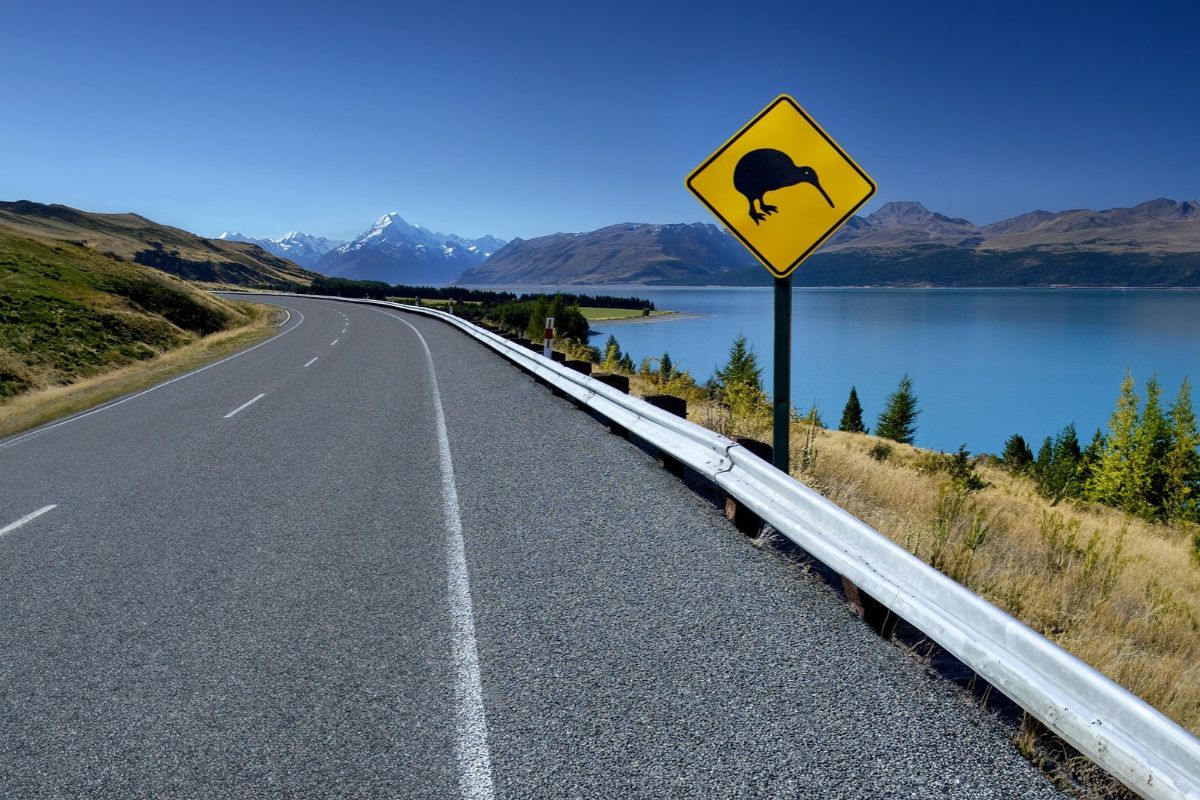
Let's start with the obvious one. The kiwi is New Zealand's unofficial national emblem and one of the world's most unusual birds. It can't fly, has tiny vestigial wings, strong legs and nostrils at the end of its long bill. It is also primarily nocturnal, which means seeing one in the wild is something of a privilege.
There are actually five species of kiwi, found in different parts of the country. Their conservation status varies considerably, and predator control has become a major part of efforts to protect them. For visitors, the best chance of seeing a kiwi is usually through a specialist nocturnal experience or at a conservation sanctuary. And if you do encounter one in the wild, give it plenty of space. Kiwi are surprisingly vulnerable to dogs and other introduced predators.
Kea: The alpine troublemaker
Section Type: standardWidthImageS
The kea, a native New Zealand alpine parrot known for its intelligence, playful curiosity, and vibrant orange feathers beneath its wings.
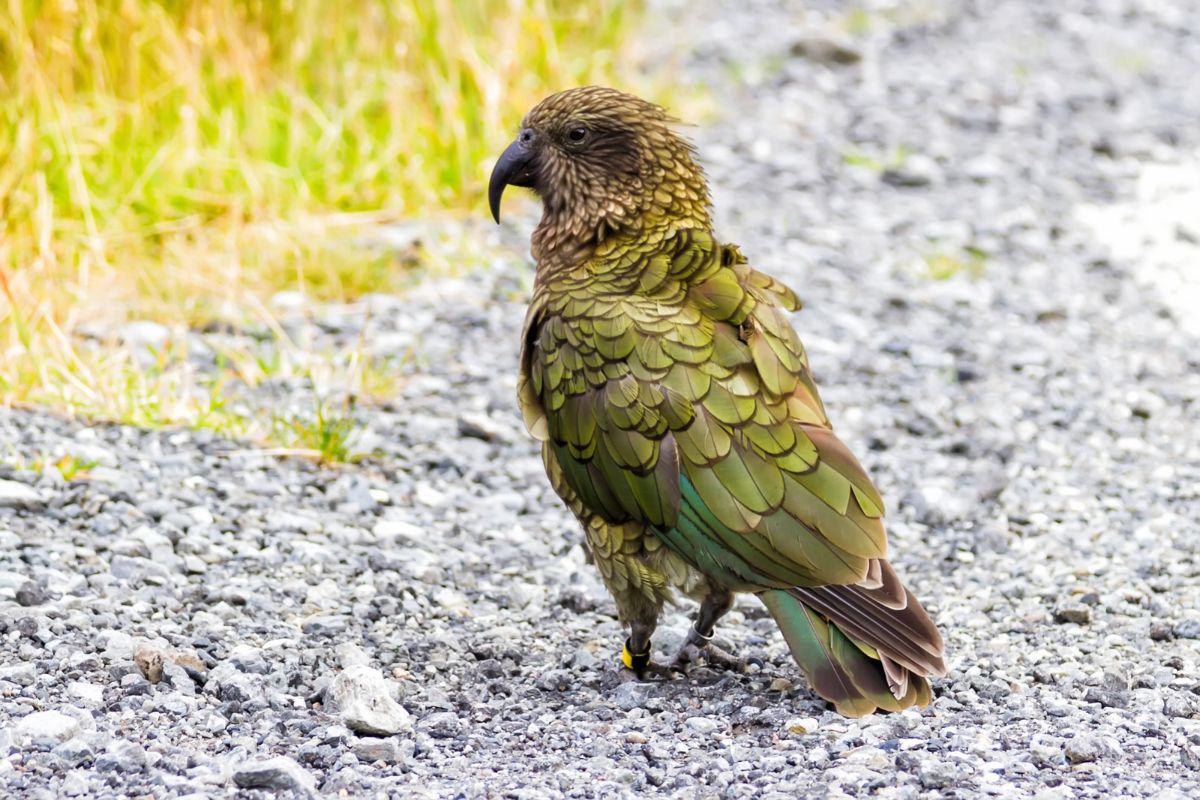
If the kiwi is New Zealand's national icon, the kea is its mischievous younger sibling. This large alpine parrot is found only on the South Island and is famous for its intelligence and curiosity. Kea have been known to investigate cars, move objects, open things and generally get into trouble wherever humans leave something interesting within reach.
They love the mountains around places such as Aoraki/Mount Cook, Arthur's Pass and Fiordland, so keep an eye out when you're exploring the South Island's alpine landscapes.
And don't feed them. It may seem like fun when a kea wanders over to your picnic or car, but feeding encourages behaviour that can be harmful to the birds. If you want to see just how clever they can be, check out this David Attenborough video of a kea opening a trash can.
Kākāpō: The bird that shouldn't exist
Section Type: standardWidthImageS
The kākāpō, New Zealand’s rare, flightless parrot, featured on a commemorative postage stamp.
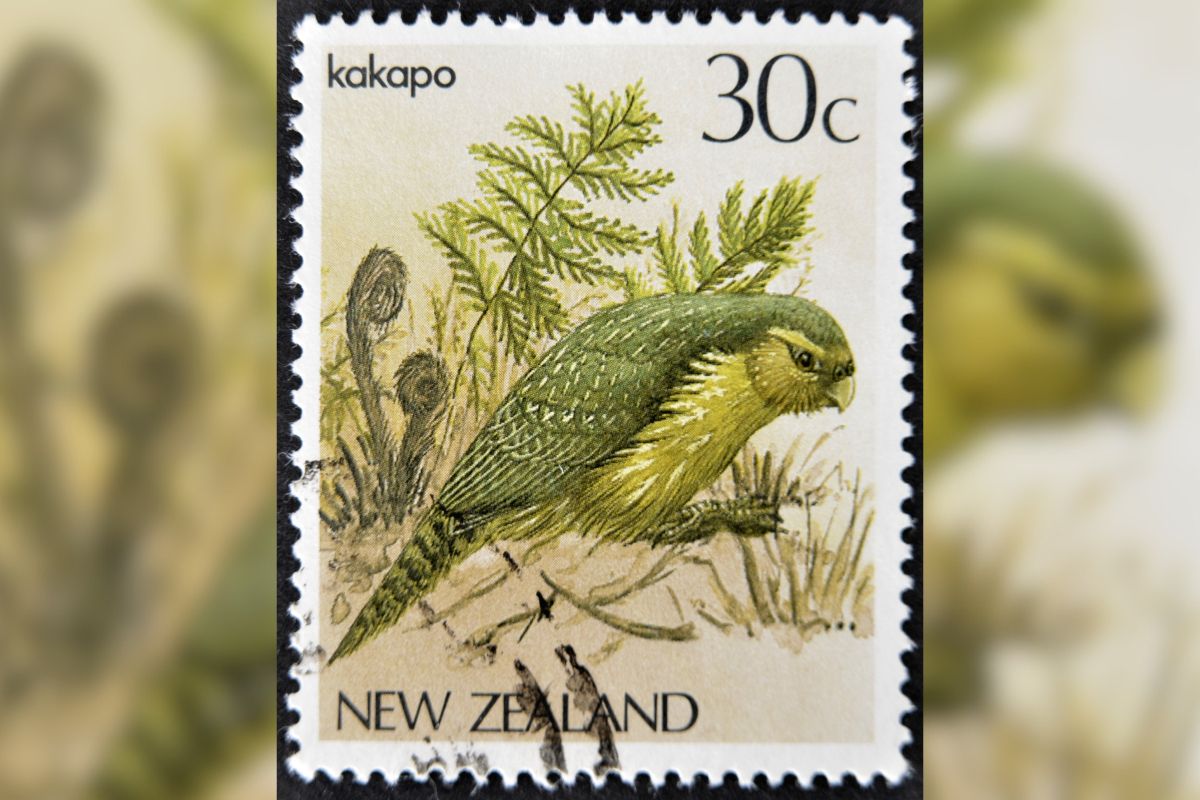
The kākāpō sounds almost like something invented for a children's book: a huge, green, flightless, nocturnal parrot with an owl-like face that waddles rather than flies. It is also critically endangered.
Kākāpō once lived throughout New Zealand, but introduced predators and habitat loss pushed them to the brink of extinction. Today, the surviving population is protected on predator-free islands and in a fenced mainland sanctuary.
Sadly, this is one New Zealand bird that most visitors won't see in person. There is currently no place where the public can simply go and view a wild kākāpō. But you can get surprisingly close through the Kākāpō Cam, which follows nesting birds without disturbing them.
Tūī: Listen before you look
Section Type: standardWidthImageS
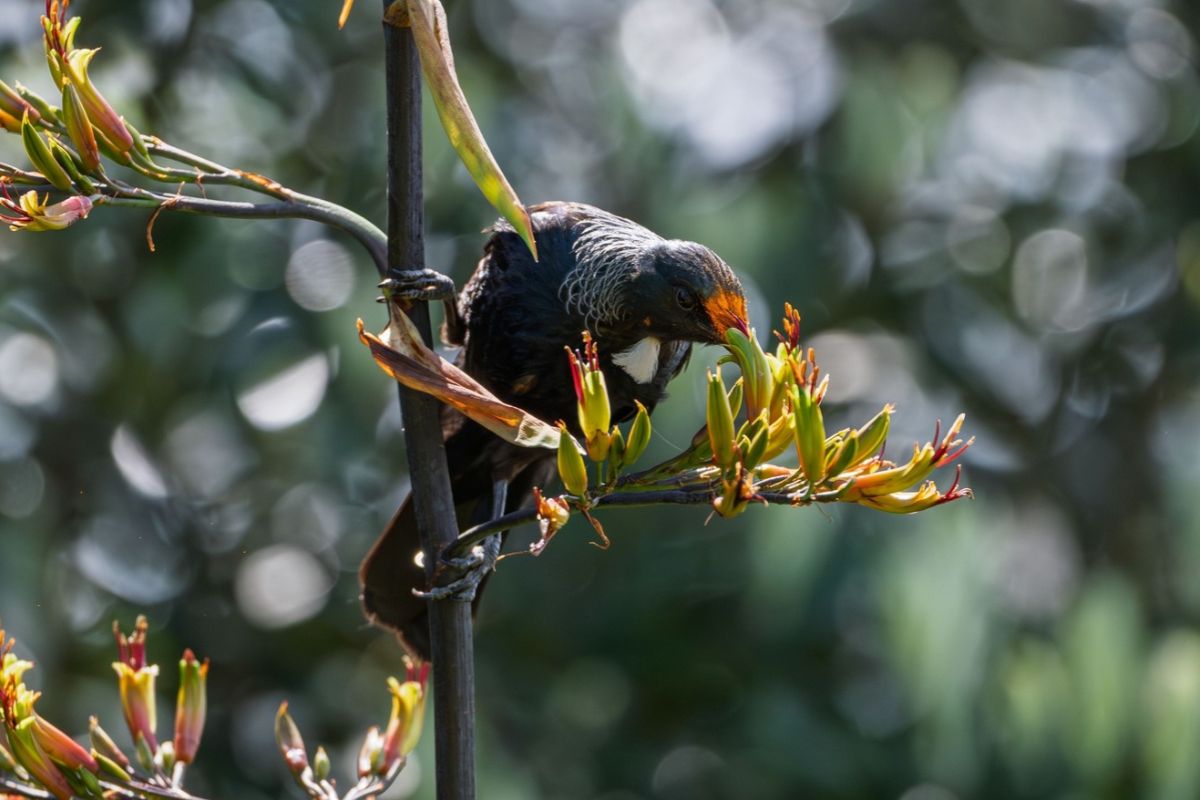
The tūī, a native New Zealand songbird known for its iridescent plumage, distinctive white throat feathers, and melodic calls.
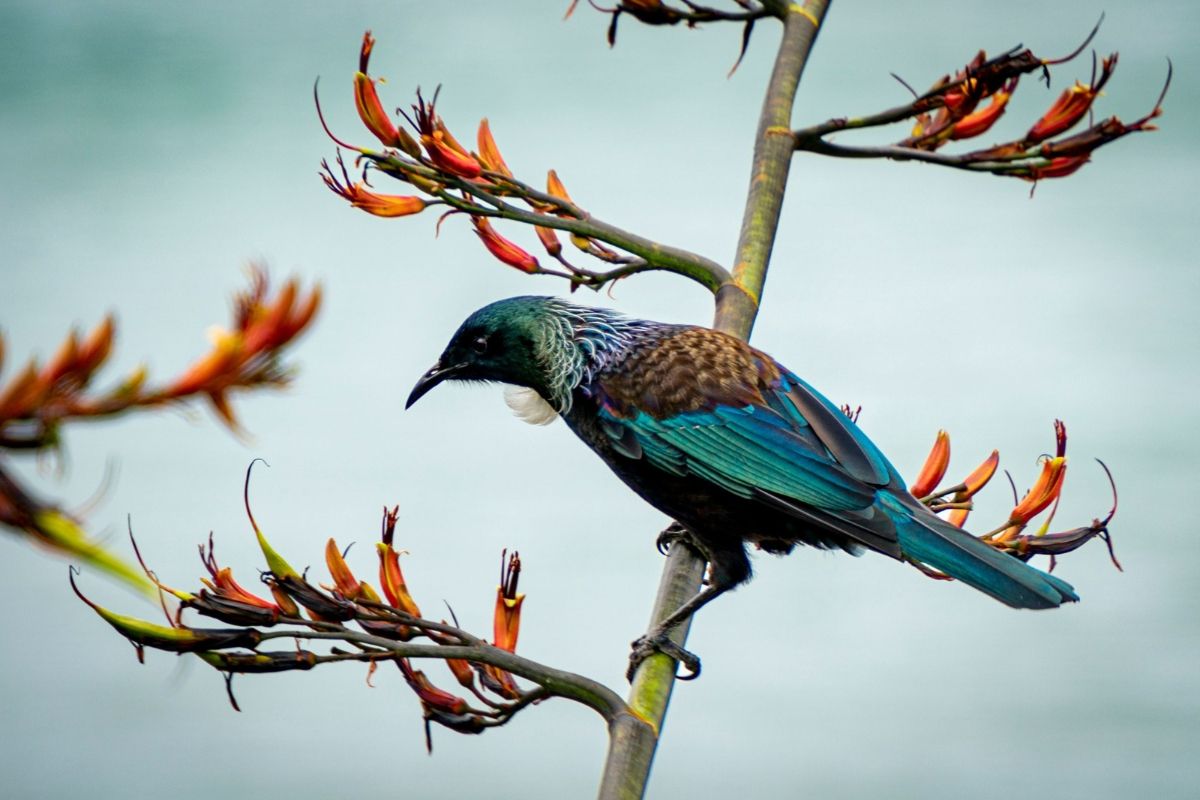
Not every remarkable New Zealand bird is flightless or endangered. The tūī is widespread and can be found on the North, South and Stewart islands. At first glance, it looks almost black, but look closely and you'll see an iridescent sheen and two distinctive white throat tufts.
Its real party trick, however, is its voice. Tūī are accomplished mimics and can reproduce the calls of other birds as well as a variety of sounds they encounter around them. This video of Pleakley the talking tui is well worth a watch.
Takahē: the great comeback
Section Type: standardWidthImageS
The takahē, a rare, flightless bird native to New Zealand, known for its vibrant blue and green plumage and bright red beak.
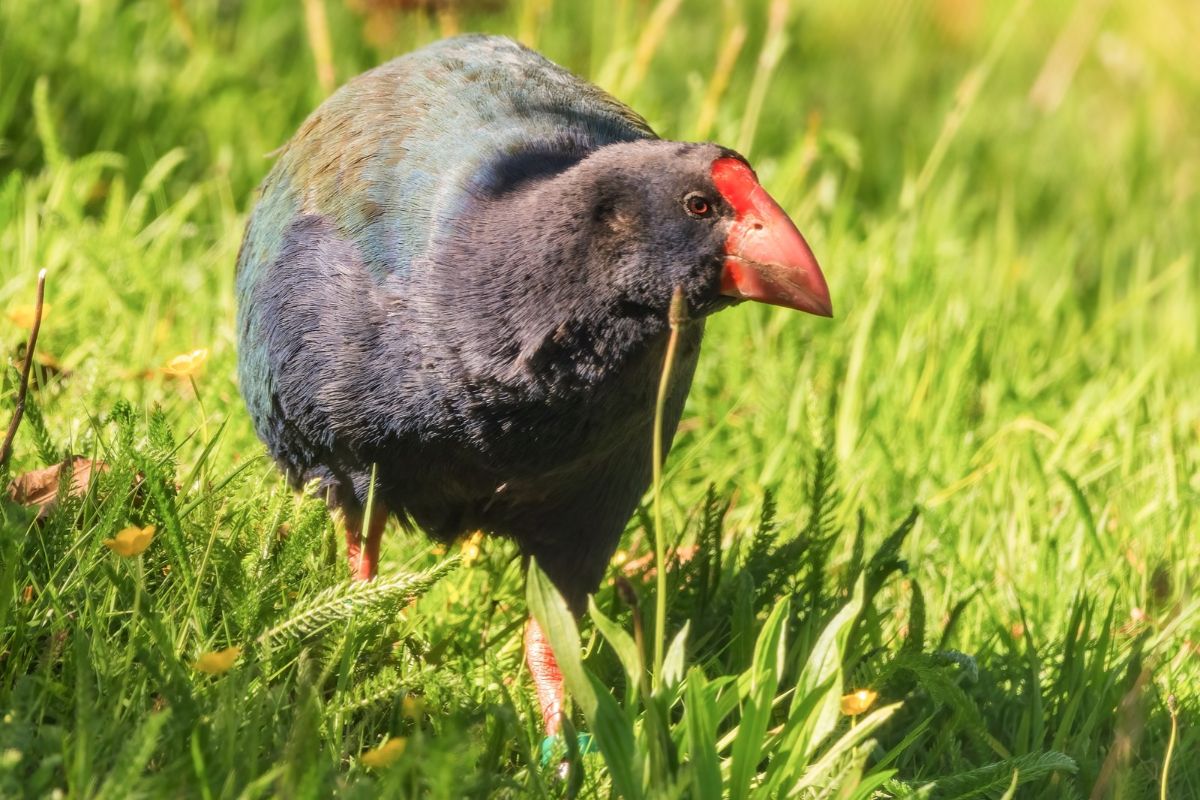
With its enormous red bill, bright blue and green plumage and stout red legs, the takahē looks almost too colourful to be real. It was thought to be extinct until it was rediscovered in the Murchison Mountains in Fiordland in 1948. Conservation programmes have since established protected populations and helped the species recover. The takahē population reached around 500 birds in 2023, although it remains classified as nationally vulnerable.
For travellers, seeing one is a special experience. They are found in protected areas and sanctuaries, particularly on the South Island, where conservation teams continue working to expand their range.
What are you waiting for?
The good news is that you don't need binoculars, a field guide and years of experience to enjoy New Zealand's birds. Just slow down. Take a walk through native forest. Stop beside a lake. Listen at dawn. Look up into the canopy. If you're lucky, somewhere along the way, a curious kea may come along to investigate what you're doing.
Section Type: cta
Ready to discover New Zealand’s remarkable birdlife for yourself? From rare flightless birds to colorful native parrots, explore the country’s unique wildlife and breathtaking landscapes on a tailor-made journey with SA Expeditions. Start planning your New Zealand adventure today.








Copyright © 2026 SA Luxury Expeditions LLC, All rights reserved | 8 The Green, Suite A, Dover, DE, 19901 | 415-549-8049
