



South Korea is a destination that transforms completely with the seasons. Spring brings cherry blossoms and mild weather, summer fills the country with lush green landscapes and lively festivals, fall paints the mountains in brilliant shades of red and gold, and winter delivers snowy scenery alongside cozy culinary experiences. From the vibrant streets of Seoul and the coastal energy of Busan to the volcanic landscapes of Jeju Island and the historic atmosphere of Gyeongju, every season offers a different perspective on the country.
The best time to visit South Korea ultimately depends on the type of experience you’re looking for. Whether you’re hoping to explore palace-lined neighborhoods in Seoul, discover ancient temples in Gyeongju, relax along Busan’s coastline, or hike through Jeju’s volcanic landscapes, each season offers something distinct. South Korea’s blend of history, nature, food, and modern culture makes it a rewarding destination year-round.
Spring in South Korea (March–May)
Section Type: standardWidthImageS
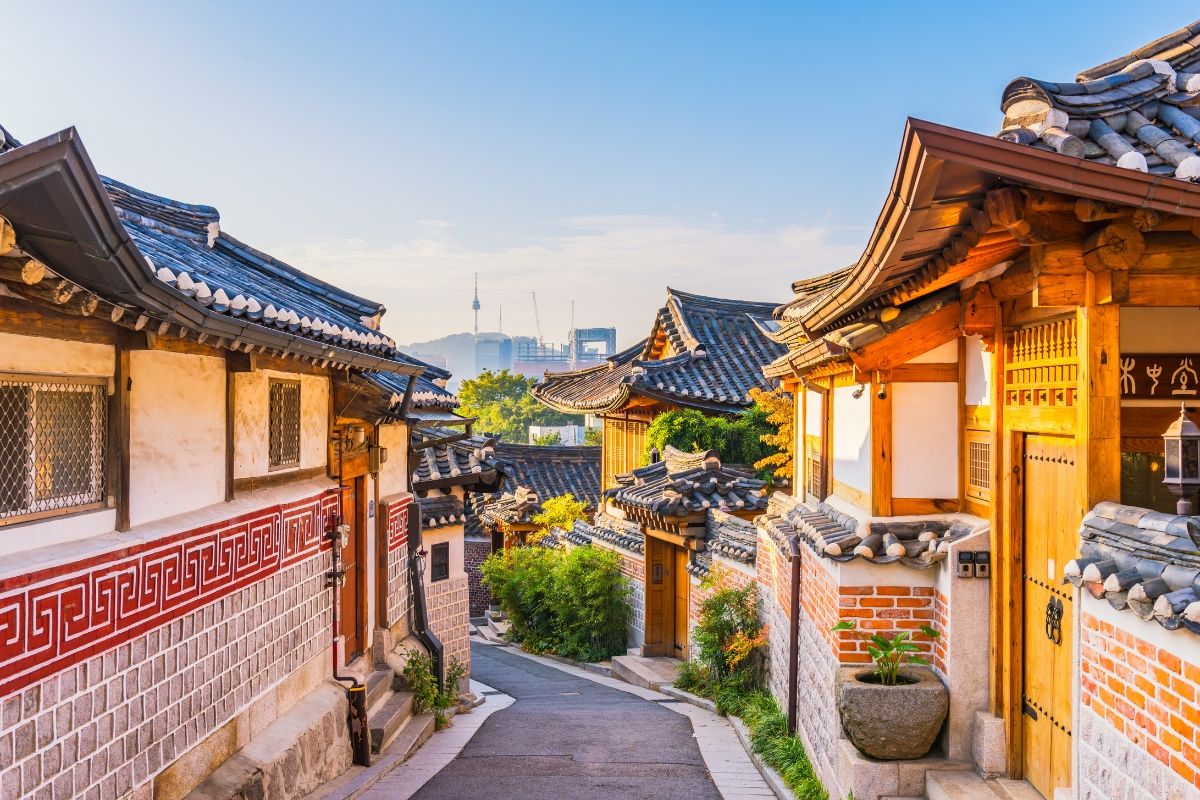
Seoul, South Korea in the spring.
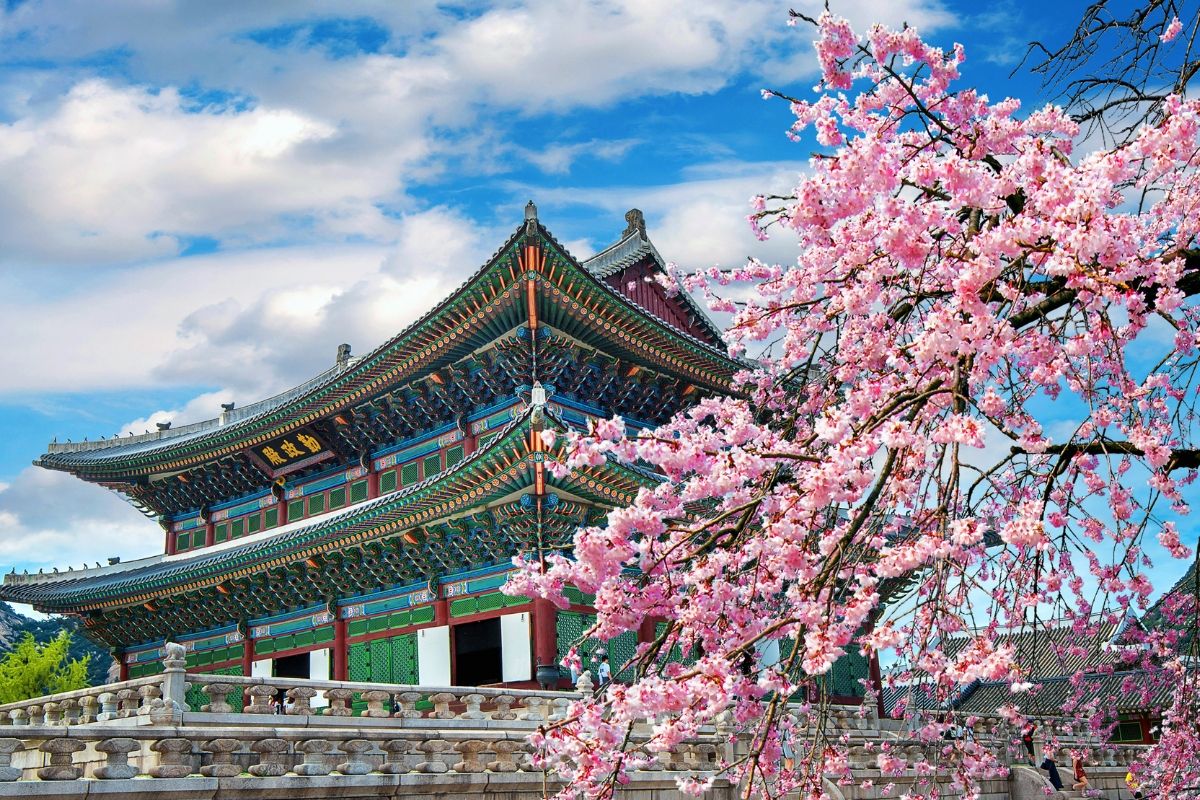
Spring is one of the most popular times to visit South Korea thanks to its comfortable temperatures and famous cherry blossom season. By late March and early April, parks, palace grounds, and city streets begin filling with soft pink blooms, creating some of the country’s most iconic scenery.
Seoul is especially beautiful during spring, with destinations like Gyeongbokgung Palace, Bukchon Hanok Village, Insadong, and Jogyesa Temple offering a blend of history, culture, and seasonal beauty. Travelers visiting the DMZ near Paju during spring often enjoy especially clear views and pleasant weather for exploring the area.
Spring is also an excellent season to visit Gyeongju, the ancient capital of the Silla Kingdom, where historic temples, royal tombs, and traditional architecture are surrounded by blooming flowers and green hillsides.
Summer in South Korea (June–August)
Section Type: standardWidthImageS
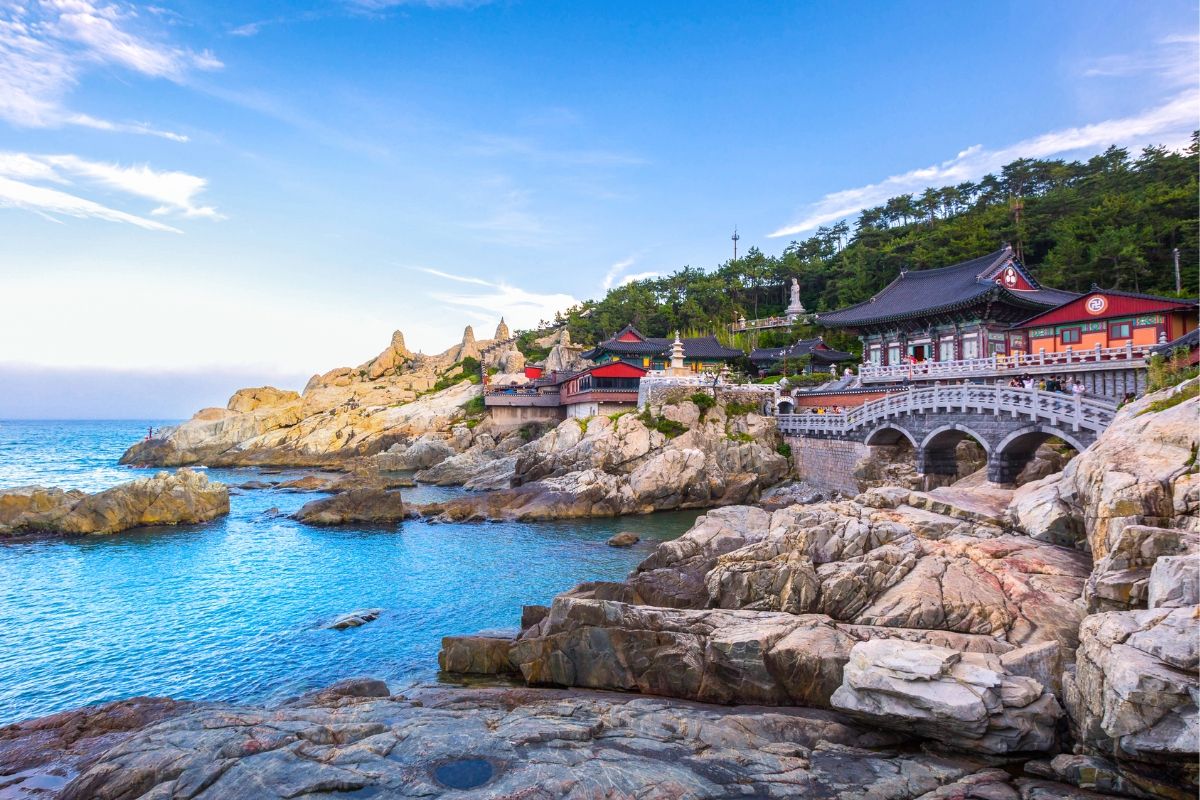
Busan, one of the country’s top summer destinations.
Summer in South Korea is lively, energetic, and filled with festivals, beach culture, and vibrant green landscapes. June tends to be warm and pleasant, while July and August bring hotter temperatures along with monsoon rains and humidity.
Busan becomes one of the country’s top summer destinations, with travelers flocking to coastal neighborhoods, beaches, seafood markets, and scenic ocean viewpoints. Experiences like the Sky Capsule and Dongbaekseom Island are especially enjoyable during the summer months.
Jeju Island is also especially beautiful this time of year, with waterfalls, volcanic landscapes, tea plantations, and dramatic coastlines surrounded by lush greenery. Travelers can hike Seongsan Ilchulbong (Sunrise Peak), explore volcanic caves, visit the O’sulloc Tea Museum, and discover coastal sites like Jeongbang Waterfall and the Jusangjeolli Cliffs.
Fall in South Korea (September–November)
Section Type: standardWidthImageS
Fall is the best time to visit Gyeongju, a historic and outdoor destination in South Korea.
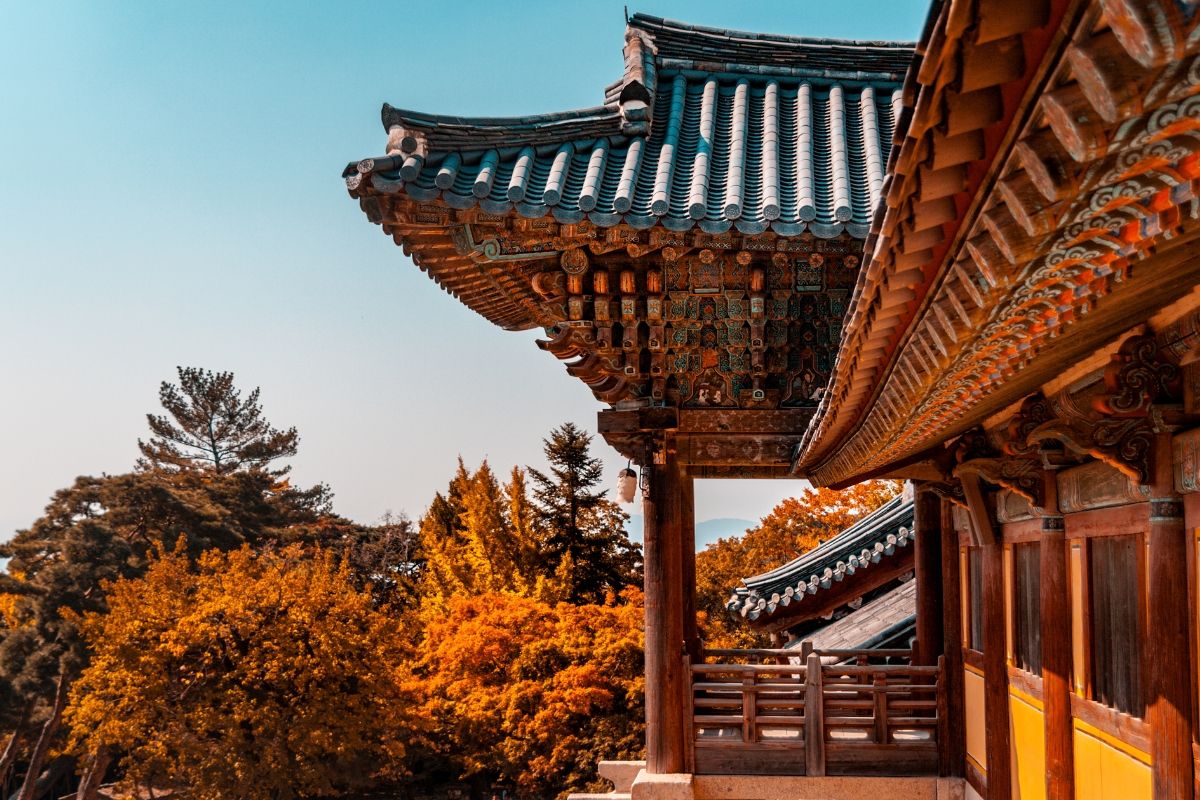
For many travelers, fall is considered the best overall time to visit South Korea. The weather becomes cooler and drier after summer, and the country’s mountains and forests transform into brilliant shades of red, orange, and yellow.
This is one of the best seasons for exploring historic and outdoor destinations like Gyeongju, Pohang, and Namsan Mountain. Scenic sites such as Bulguksa Temple, Seokguram Grotto, Yangdong Folk Village, and the coastal viewpoints of Pohang become especially beautiful surrounded by autumn foliage and crisp air.
Fall is also an ideal time to experience Seoul’s palaces and traditional neighborhoods, as well as Busan’s coastline and markets without the intense summer humidity. Hiking conditions throughout the country are excellent during this season, particularly around the mountains and volcanic landscapes of Jeju Island.
Winter in South Korea (December–February)
Section Type: standardWidthImageS
Jeju Island, South Korea tends to be a great option for travelers in the winter with mild temperatures and dramatic scenery.
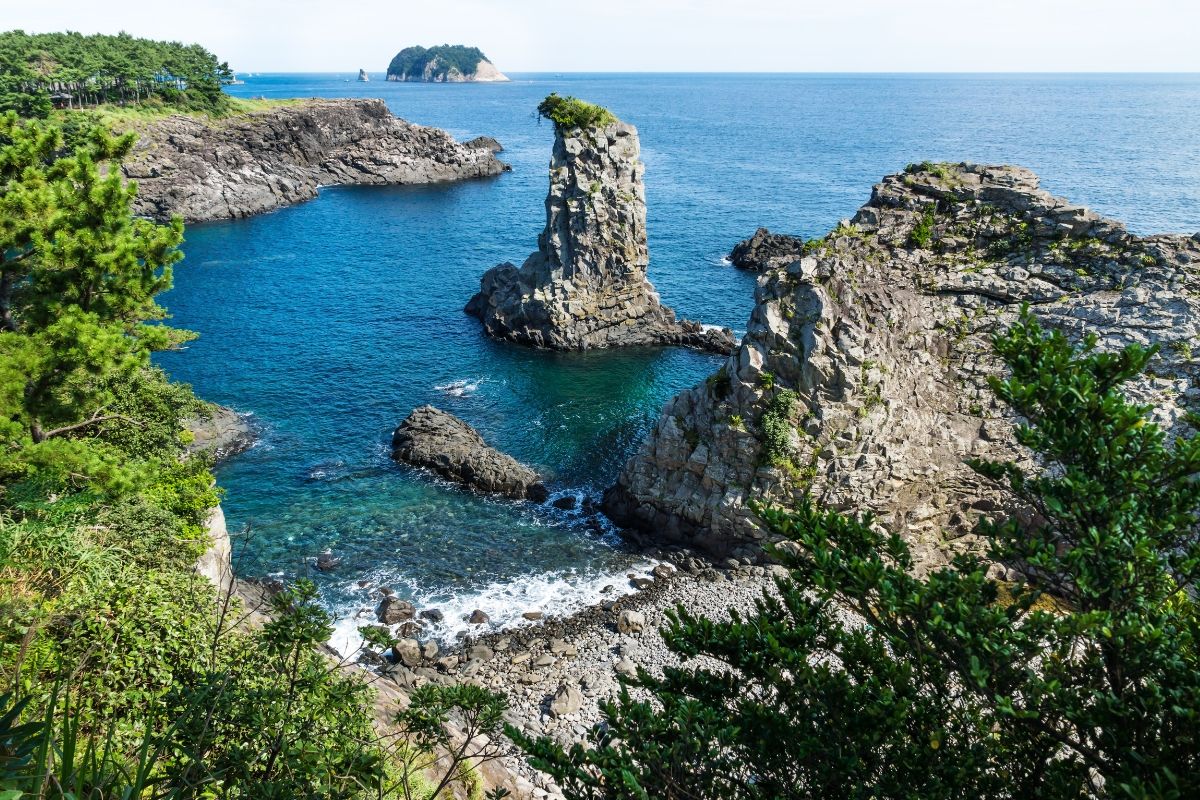
Winter in South Korea brings cold temperatures, snowy landscapes, and a completely different atmosphere from the rest of the year. Snow-covered palaces in Seoul, warming bowls of Korean comfort food, and lively street markets create a memorable winter experience.
Cities like Seoul and Busan remain active throughout the colder months, offering everything from traditional markets and cultural sites to cozy cafés and seasonal cuisine. Jeju Island tends to stay milder than mainland Korea during winter, making it a great option for travelers who want dramatic scenery without extreme cold temperatures.
Winter can also be an especially rewarding time to explore Korea’s cultural side, from temple visits and hanok villages to local food experiences and quieter sightseeing opportunities.
So, when is the best time to visit South Korea?
If you’re looking for the most comfortable weather and scenic landscapes, spring and fall are generally considered the best times to visit South Korea. Spring offers cherry blossoms, lively cities, and ideal sightseeing conditions, while fall delivers crisp air, colorful foliage, and excellent hiking weather across destinations like Seoul, Gyeongju, Busan, and Jeju Island.
Summer is best for beaches, festivals, and coastal experiences in Busan and Jeju, while winter is ideal for travelers looking to experience Korea’s cities, food culture, and quieter seasonal atmosphere. No matter when you visit, South Korea offers a distinct experience each season, with every region bringing something different throughout the year.
Section Type: cta
With a captivating mix of bustling cities, ancient palaces, dramatic coastlines, volcanic landscapes, and rich culinary traditions, South Korea is a destination full of contrasts. Explore our most popular journeys through Seoul, Busan, Gyeongju, and Jeju Island, or speak with a Destination Expert to start designing a custom trip tailored to your travel style.








Copyright © 2026 SA Luxury Expeditions LLC, All rights reserved | 8 The Green, Suite A, Dover, DE, 19901 | 415-549-8049
