
Italian cuisine is one of the world’s most loved… and most misunderstood. While pizza and pasta dominate global menus, they represent only a fraction of what Italy actually eats.
Inside the country, food is deeply regional, shaped by centuries of local tradition, geography, and resourcefulness. From Alpine stews to coastal seafood and Sicilian sweets, Italian cuisine is a mosaic of distinct culinary worlds bound together through their focus on simplicity, respect for ingredients, and a fierce sense of identity.
A country of many kitchens
Italy doesn’t really have “one” cuisine. It has dozens. Each region, and often each town, has its own specialties, shaped by climate, history, and local agriculture. This diversity is rooted in Italy’s past. Until the 19th century, it was a patchwork of independent states. Food traditions developed locally and stayed local, creating a culinary map that still holds strong today.
Italian food often celebrates restraint. Bread varies dramatically: from Tuscan saltless loaves to crisp Roman-style pizza bases. Cheese is equally regional and revered: Parmigiano Reggiano, mozzarella di bufala, pecorino, ricotta, and countless local varieties each carry centuries of tradition. Even olive oil is tasted and chosen like wine, with flavor profiles that change dramatically from north to south.
Naples and the south
Section Type: standardWidthImageS
Parmigiana di melanzane.
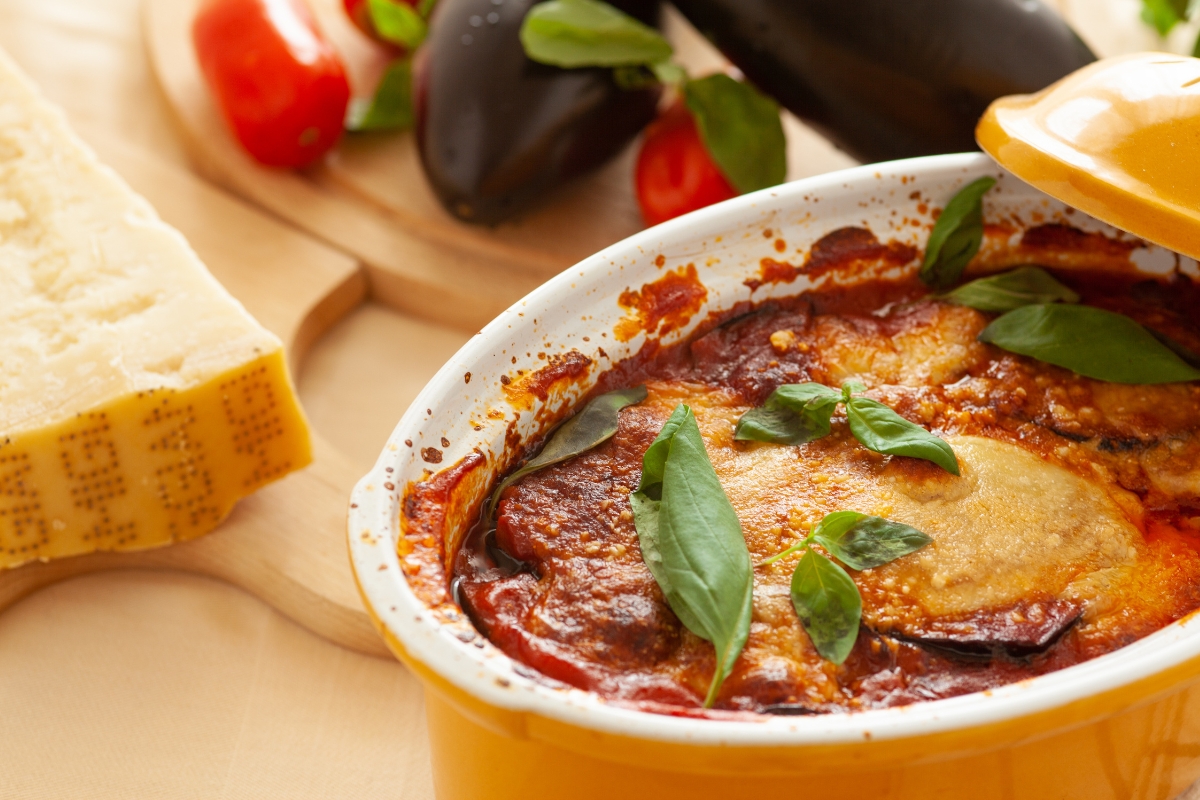
Southern Italy is where bold, rustic flavors shine. The cuisine is simple but powerful, built around tomatoes, olive oil, garlic, and fresh vegetables. Dishes like parmigiana di melanzane (fried aubergine layered with tomato and cheese), spaghetti alle vongole (clams with pasta), and ragù napoletano (slow-cooked meat sauce) show how depth of flavor comes from patience, not complexity.
Street food is equally important: crispy arancini in Sicily, fried pizza in Naples, and sweet cannoli filled with ricotta cream. This is food meant to be eaten casually, often standing up. But that doesn’t make it any less delicious.
The rich heart of central Italy
Section Type: standardWidthImageS
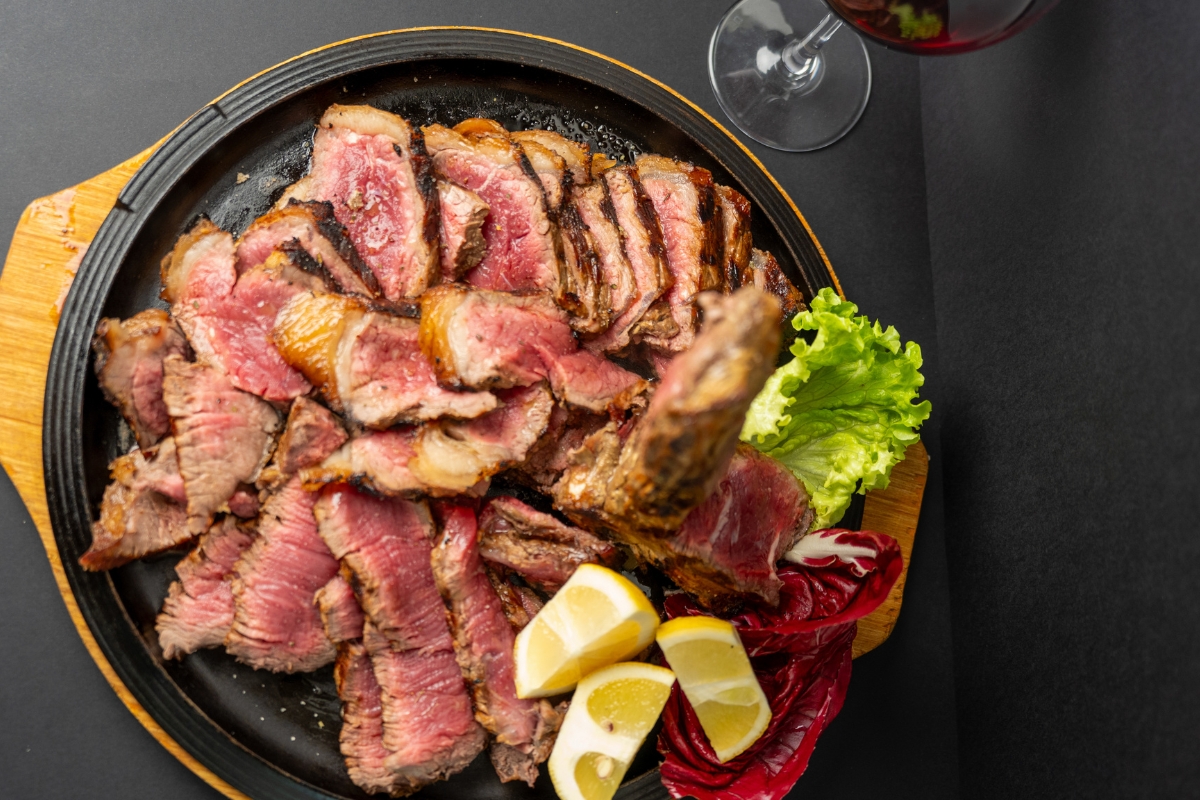
Bistecca alla Fiorentina.
Central Italy blends rustic tradition with refined technique. In Tuscany, Umbria, and Lazio, the philosophy is often “make less, but better.”
Tuscan dishes like ribollita (a thick bread and vegetable soup) and pappa al pomodoro show how humble ingredients can become something deeply satisfying. In Florence, bistecca alla Fiorentina (a thick-cut, dry-aged T-bone steak grilled over hot coals) is simplicity at its most indulgent. Seasoned with little more than salt, pepper, and olive oil, it’s served rare, tender, and deeply flavorful, letting the quality of the meat do all the talking.
Rome adds its own icons: carbonara, cacio e pepe, and amatriciana. Each is built on restraint: just a handful of ingredients, executed perfectly. Carbonara combines eggs, pecorino cheese, guanciale (cured pork), and black pepper into a silky, rich sauce (without a drop of cream, despite what foreign chefs may say). Cacio e pepe: pasta tossed with pecorino and black pepper, emulsified into a smooth, punchy coating. Amatriciana brings a deeper, slightly spicy note, with tomato, guanciale, and pecorino creating a bold, balanced sauce.
Northern comfort food
Section Type: standardWidthImageS
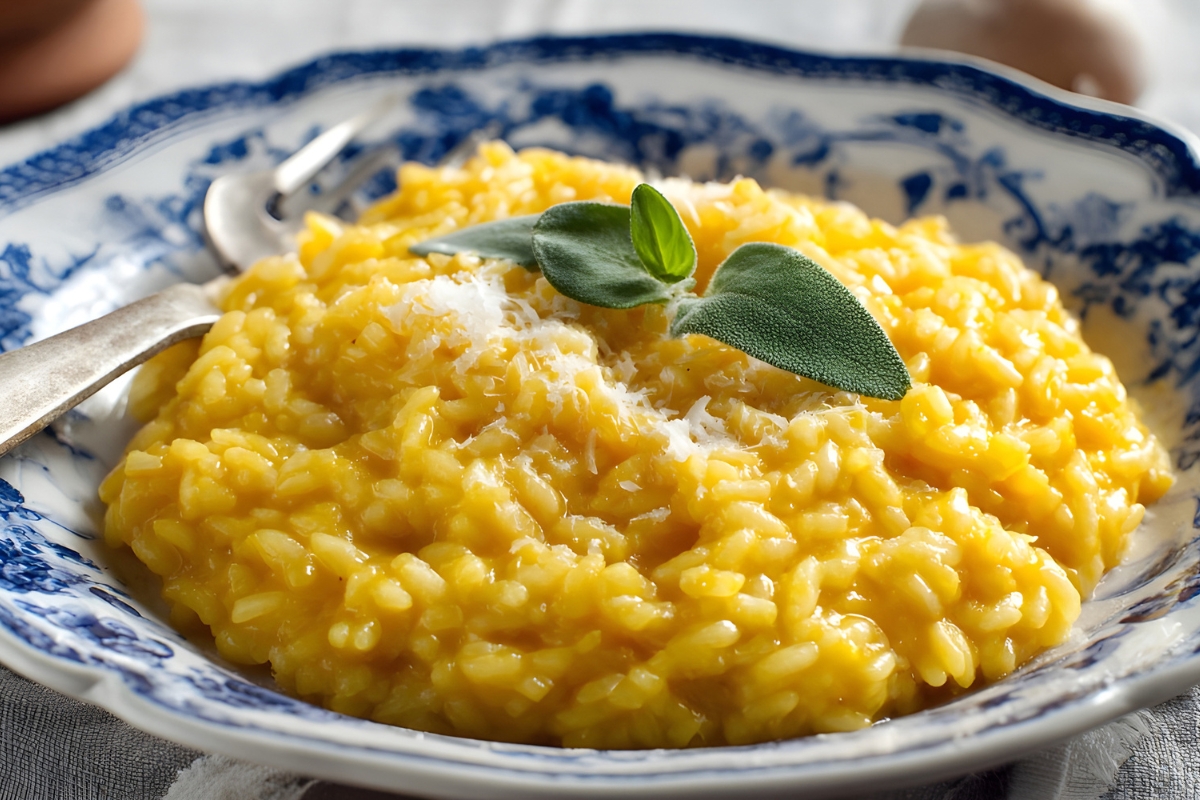
Risotto alla Milanese.
In the north, the cuisine shifts with the climate. Cooler temperatures mean richer, heartier dishes, with butter often replacing olive oil.
Risotto is a northern staple, especially risotto alla Milanese, infused with saffron and slow-cooked to creamy perfection. In Piedmont, dishes like brasato al Barolo (beef braised in red wine) reflect the region’s strong wine culture.
Pungent cheeses like Gorgonzola, Fontina, and Taleggio dominate, and influences from neighboring France and Switzerland are clearly felt.
Coastal flavors
Section Type: standardWidthImageS
Octopus salad.
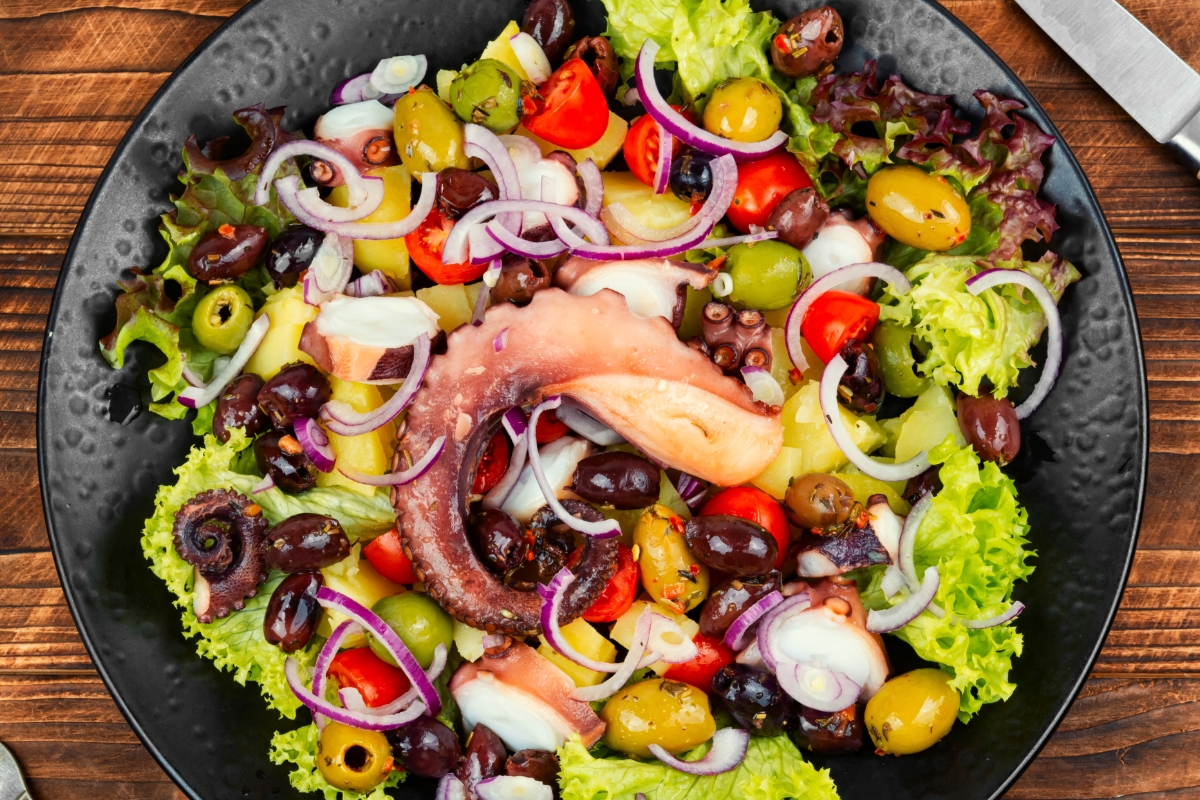
Along Italy’s long coastline, seafood takes center stage. Grilled fish, octopus salads, clams, and prawns are everyday staples rather than luxury items. Vegetables also shine in coastal cooking. Sicilian caponata (a sweet-and-sour eggplant dish), stuffed peppers, and tomato-rich sauces reflect the abundance of the Mediterranean sun.
Further north, Liguria gives the world pesto: fresh basil, garlic, pine nuts, Parmesan, and olive oil blended into one of Italy’s most iconic sauces.
Lest we forget
Section Type: standardWidthImageS
Neapolitan pizza.
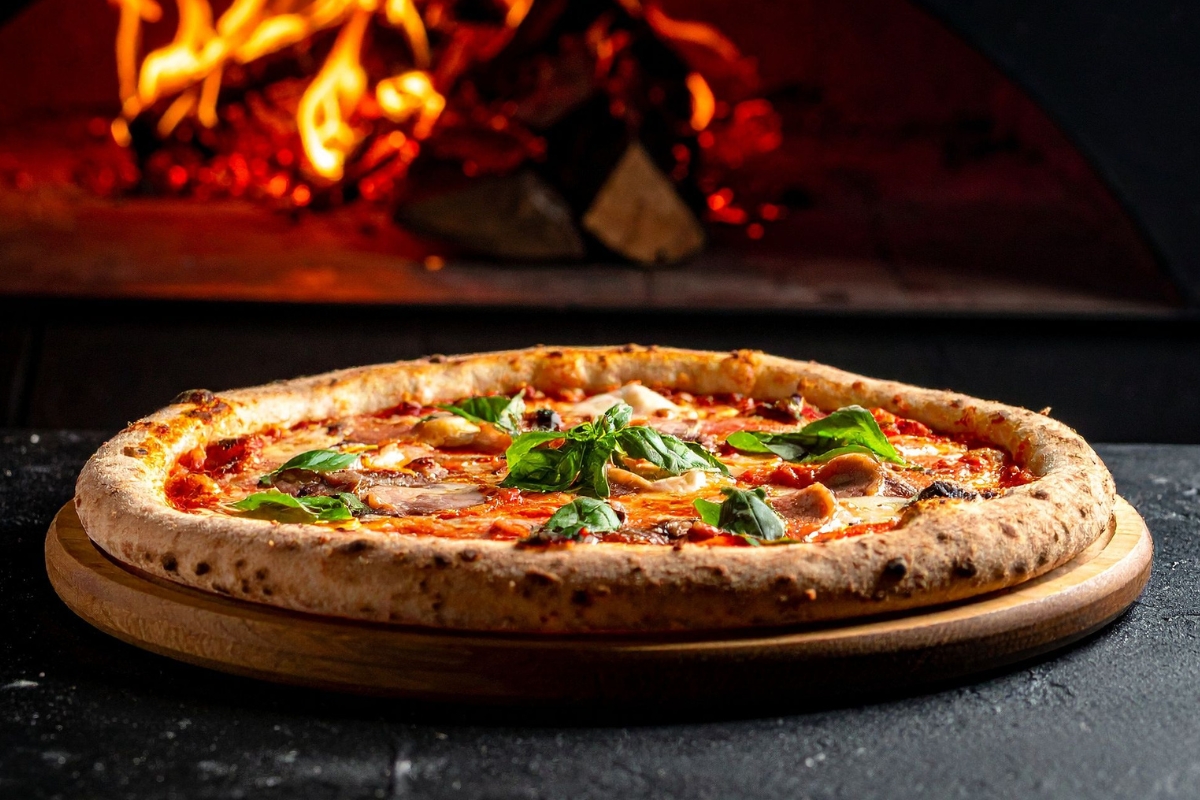
You didn’t think we’d ignore the two Ps entirely, did you?
Pizza is Italy’s most famous export, but in its homeland it is something much more specific and sacred. True Neapolitan pizza is simple: a soft, chewy crust, San Marzano tomatoes, mozzarella di bufala, fresh basil, and olive oil. Beyond Naples, regional variations tell different stories. Rome prefers thin, crisp bases. Sicily offers thick, tray-baked versions. But all share the same philosophy: excellent ingredients, minimal fuss, maximum flavor.
If pizza is Italy’s symbol, pasta is its soul. There are hundreds of shapes, each designed with purpose: rigatoni for thick sauces, spaghetti for lighter ones, orecchiette for catching chunks of vegetables. Northern regions often favor egg-based pasta like tagliatelle and ravioli, while the south relies more on durum wheat and dried pasta. Classic dishes tell regional stories: carbonara from Rome, pesto alla genovese from Liguria, ragù alla Bolognese from Emilia-Romagna. Each is simple on paper, but deeply tied to place and tradition.
Food for thought
Italian food is a living archive of regional identity, shaped by centuries of history and local pride. From mountain villages to coastal towns, every dish tells a story about where it comes from.
And while pizza and pasta may be the gateway, they’re only the beginning. The real joy of Italian cuisine is discovering just how much lies beyond them.
Speak to a Destination Expert now about eating your way around Italy with SA Expeditions.
Section Type: cta
Ready to experience Italy through its flavors? Explore our Italy tours and start planning a journey where every meal tells a story.















Copyright © 2026 SA Luxury Expeditions LLC, All rights reserved | 8 The Green, Suite A, Dover, DE, 19901 | 415-549-8049