



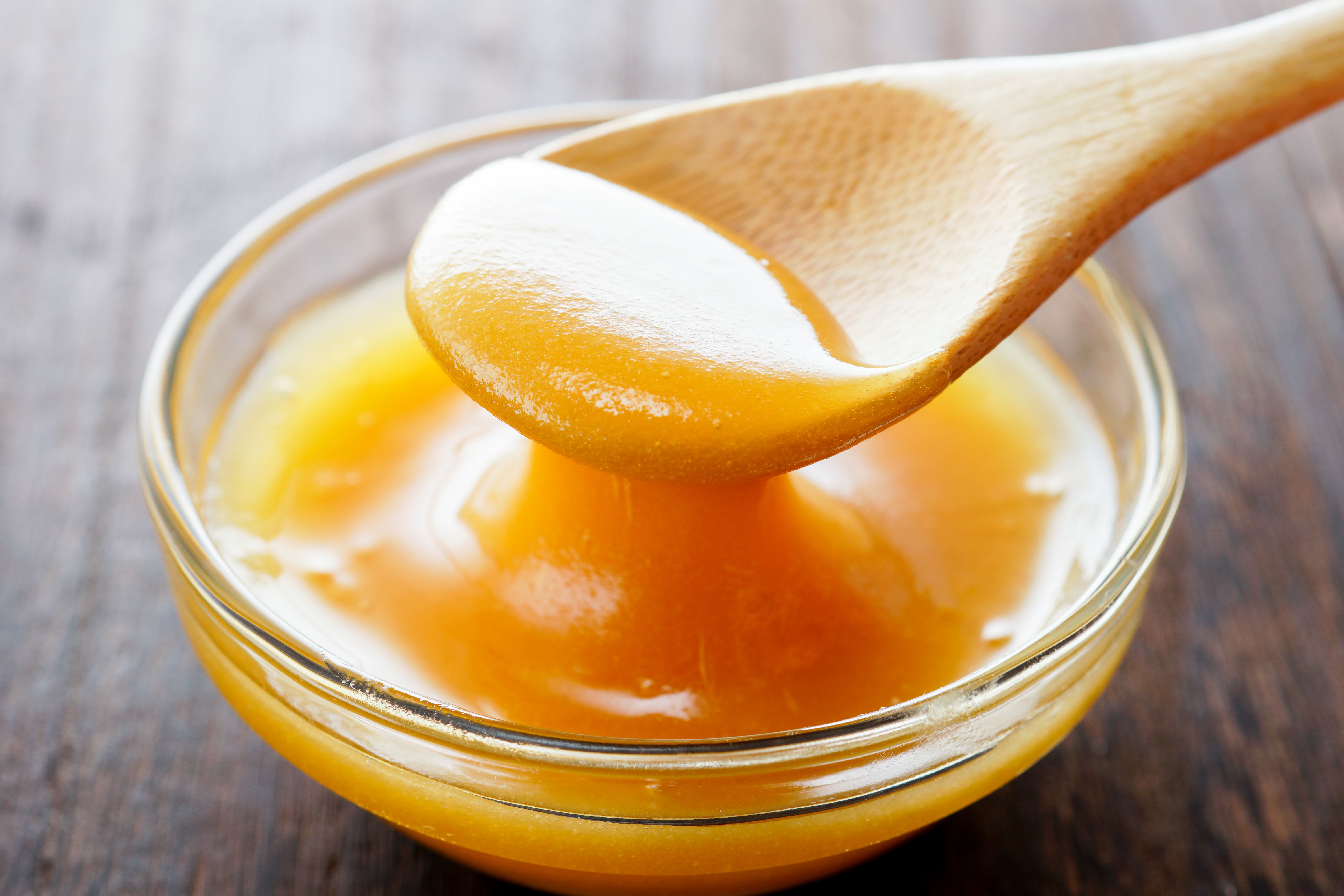
Mānuka honey is one of New Zealand’s most famous natural products. Discover what makes it special, why it commands such high prices, and how to experience this delicious taste of the country on your travels in the Land of the Great White Cloud.
One of the pleasures of travelling around New Zealand is discovering how closely food is connected to the landscape. You might stop at a roadside farm shop, wander through a local market or sit down for breakfast at a country lodge and find the same golden ingredient appearing again and again: mānuka honey.
Thick, rich and slightly earthy, it has become one of New Zealand's best-known exports. But tasting mānuka honey in the country where it is produced is about more than buying a jar to take home.
What is mānuka honey?
Mānuka honey is made by bees that collect nectar from the flowers of the mānuka plant (Leptospermum scoparium), a hardy shrub native to New Zealand. The plant grows across much of the country, particularly in remote and often rugged areas where native bush and open farmland meet. The resulting honey tends to be darker, richer and more intensely flavored than many other honeys, with a slightly woody, caramel-like taste.
Why is everyone talking about it?
Mānuka honey has attracted worldwide attention because of its naturally occurring compounds, particularly methylglyoxal (MGO), which is associated with antibacterial activity.
You'll often see mānuka honey labelled with an MGO number, while the UMF (Unique Mānuka Factor) rating is another certification system used to assess quality and authenticity. The UMF Honey Association explains the system here.
There is genuine scientific interest in mānuka honey, particularly its use in medical-grade products for wound care. But be wary of exaggerated health claims.
From remote hills to the breakfast table
Section Type: standardWidthImageS
The delicate five-petaled bloom of the native New Zealand Mānuka shrub (Leptospermum scoparium), which flowers for only a few weeks each year.
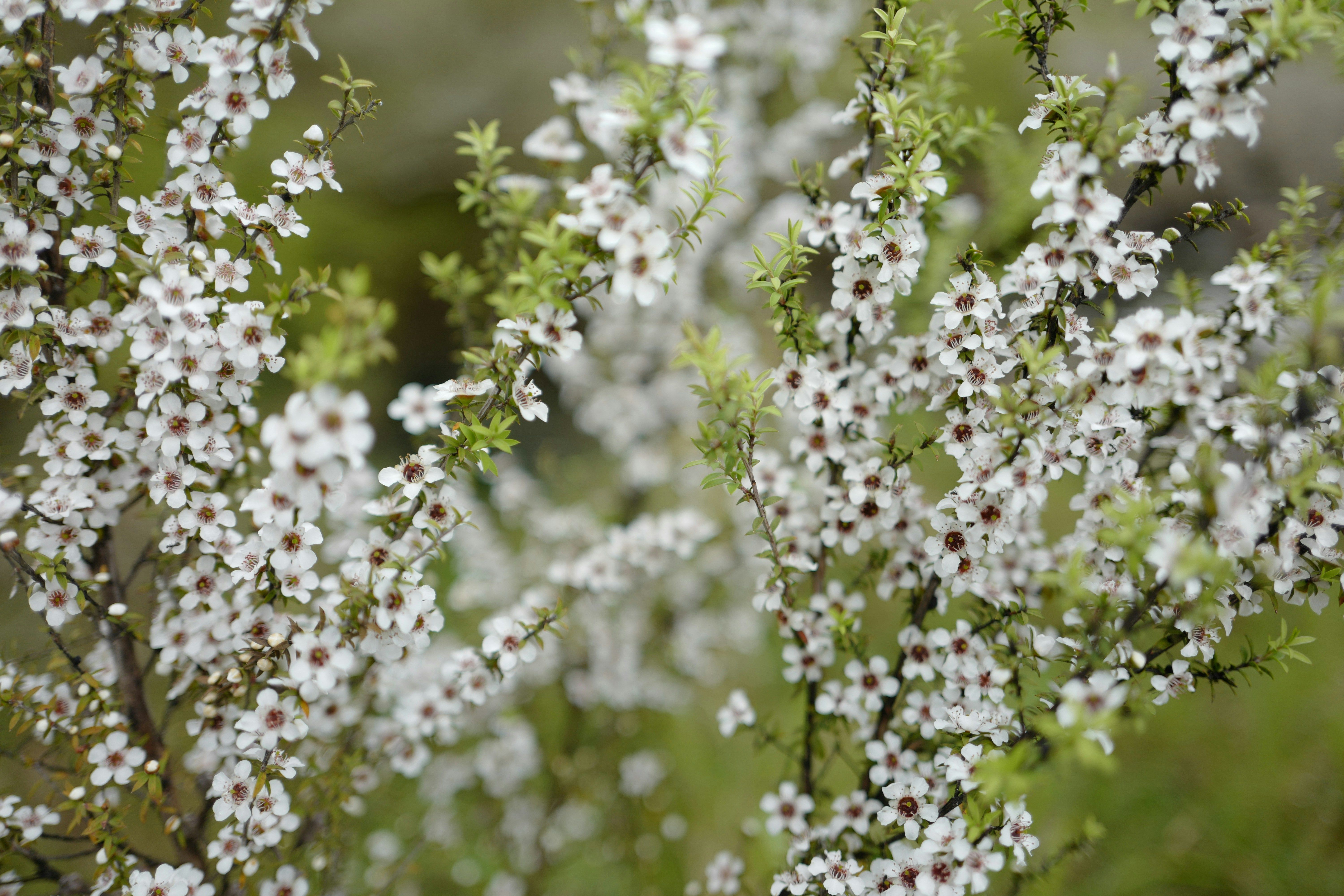
A big part of the appeal of mānuka honey is seeing where it comes from. Beekeepers often place hives in remote parts of New Zealand, where the bees can take advantage of the short mānuka flowering season. This makes mānuka honey a particularly nice souvenir. A jar on your breakfast table back home can evoke something much bigger: the landscape, the road trip and the remote corners of New Zealand where it was produced.
Why can it be so expensive?
Mānuka honey is a seasonal product, and production depends on the flowering of the mānuka plant. The remote locations of many hives and the limited harvest window add to the cost. Then there is the extraordinary demand for premium mānuka honey around the world.
At the extreme end of the market, things can get slightly ridiculous. In 2026, one New Zealand producer put a jar on sale at Harrods in London for $2,600. It came in a handcrafted American black walnut case with Italian leather lining and antique-gold detailing. Thankfully, you don't need to spend anything remotely like that to enjoy it in New Zealand.
The darker side of the honey
Mānuka honey's global success has inevitably brought a few problems. The combination of high prices, impressive health claims and international demand has created confusion around authenticity and labelling.
There is also a growing debate about some of the more extravagant claims made about its health benefits. While there is legitimate scientific research behind some properties of mānuka honey, not everything you read on a jar is necessarily supported by good evidence.
For visitors, the simplest approach is to buy from a reputable producer and look for recognised certification. New Zealand also has scientific testing requirements for exported honey sold as mānuka.
Where to experience mānuka honey
You don't need to seek out a specialist honey farm to experience it. Mānuka honey turns up in all sorts of places across New Zealand.
Try it at breakfast. Look for it at a farmers' market. Pick up a jar at a country shop during a road trip. Some producers and apiaries also offer tours and tastings, giving you the chance to learn about beekeeping and see the connection between the bees, the mānuka bush and the finished product.
It can also be fun to compare different honeys. New Zealand produces plenty of other varieties, including clover and native bush honeys, and tasting them side by side gives you a better sense of how much the country's vegetation and climate influence what ends up on your plate.
A souvenir with a story
There are plenty of New Zealand souvenirs that can be bought without really experiencing the country. Mānuka honey is different as it connects the landscape you have travelled through with something you can taste.
So, when you're travelling around New Zealand, look out for that little jar of golden honey. Taste it at breakfast, buy some from a local producer and, if you enjoy it, take a jar home. It may be one of the simplest – and sweetest – ways to bring a little taste of New Zealand home with you.
Section Type: cta
Now that you know what makes New Zealand’s mānuka honey so special, why not discover its origins firsthand? From the native mānuka plant to the local traditions behind this prized honey, there’s so much more to explore. Plan your tailor-made New Zealand journey with SA Expeditions and experience the country’s unique natural treasures for yourself.








Copyright © 2026 SA Luxury Expeditions LLC, All rights reserved | 8 The Green, Suite A, Dover, DE, 19901 | 415-549-8049
