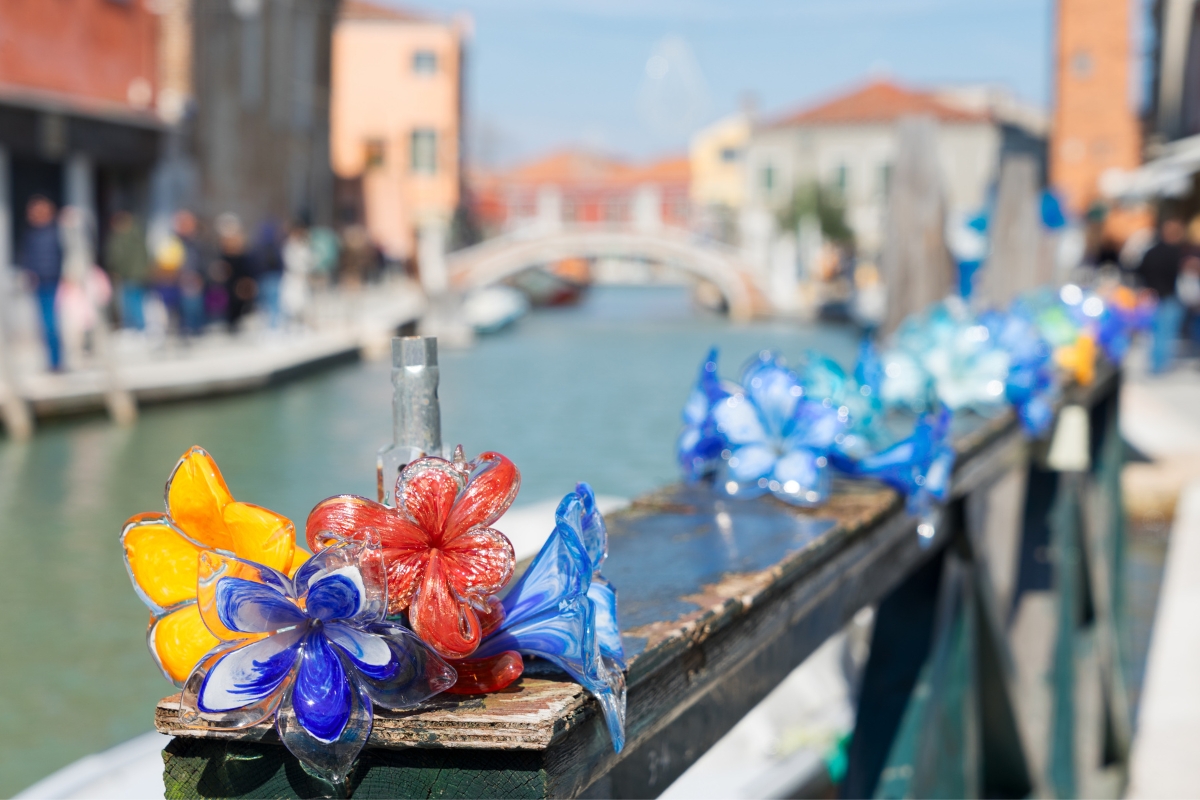
Italy’s reputation isn’t built on food and scenery alone. Behind the Renaissance art, luxury fashion, and timeless architecture lies something deeper: a national obsession with craftsmanship.
From hand-tooled leather to Murano glass and hand-bound books, Italian artisans have spent centuries refining the art of making things properly. Italian craftsmanship is rooted in a simple idea: if something is worth making, it’s worth making well.
For centuries, skills were passed from master to apprentice in small workshops, often within the same family. Even today, many artisans still work this way: slowly, carefully, and with a stubborn refusal to compromise on quality.
Florentine leather
Section Type: standardWidthImageS
The art of leatherworking.
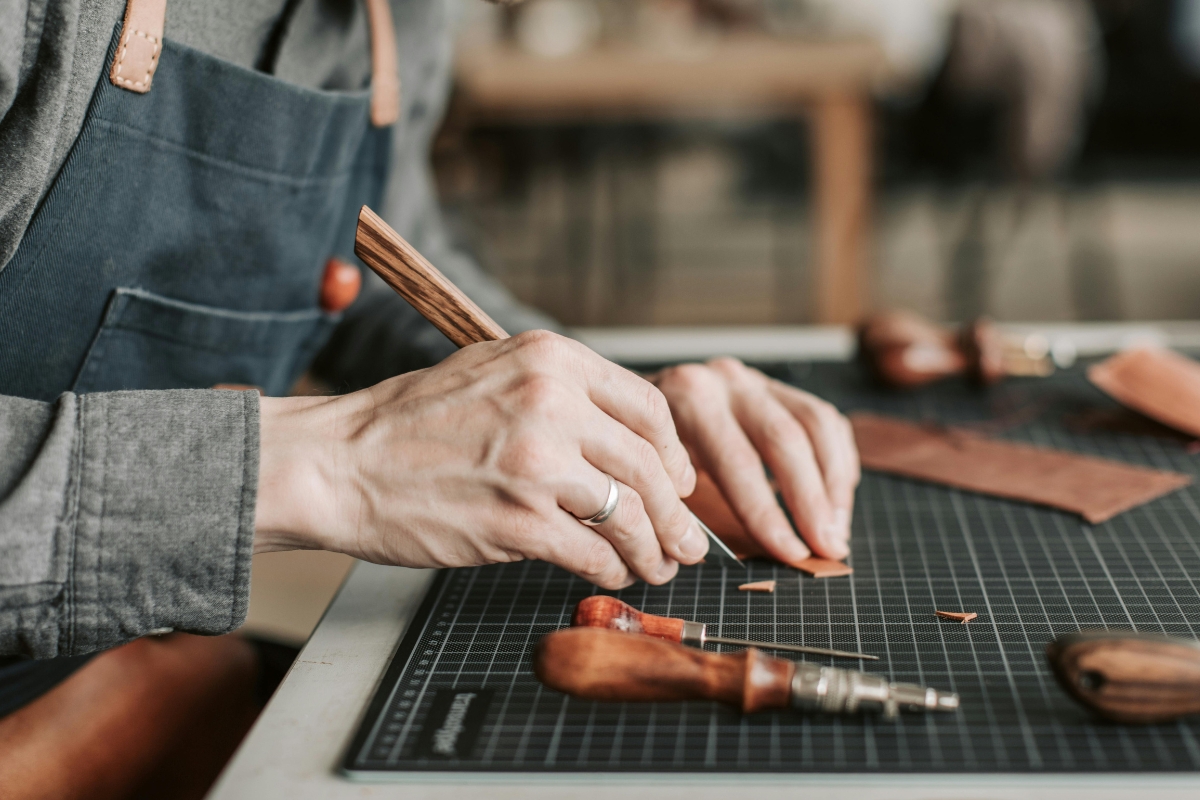
Florence has been a center of leatherworking since the Middle Ages, when its position along trade routes made it a hub for raw materials and skilled artisans. That legacy still defines the city today.
The process begins long before a product takes shape. Raw hides are carefully selected, then treated using traditional tanning methods that rely on natural tannins from tree bark rather than chemicals. This slow process can take weeks or even months, but it produces leather that is stronger, richer in color, and far more durable than mass-produced alternatives.
Once tanned, the real craftsmanship begins. Patterns are cut by hand, edges are burnished, and pieces are stitched together with precision, often using techniques that predate industrial sewing machines. Even the smallest details, like the way a strap is attached or how a seam is finished, reflect years of training and instinct.
What really sets Italian leather apart is how it ages. Instead of wearing out, it develops a patina that tells the story of use over time. A bag becomes softer, a wallet gains character, a jacket molds to its owner.
Murano glass
Section Type: standardWidthImageS
Beautiful Murano glass chandeliers.
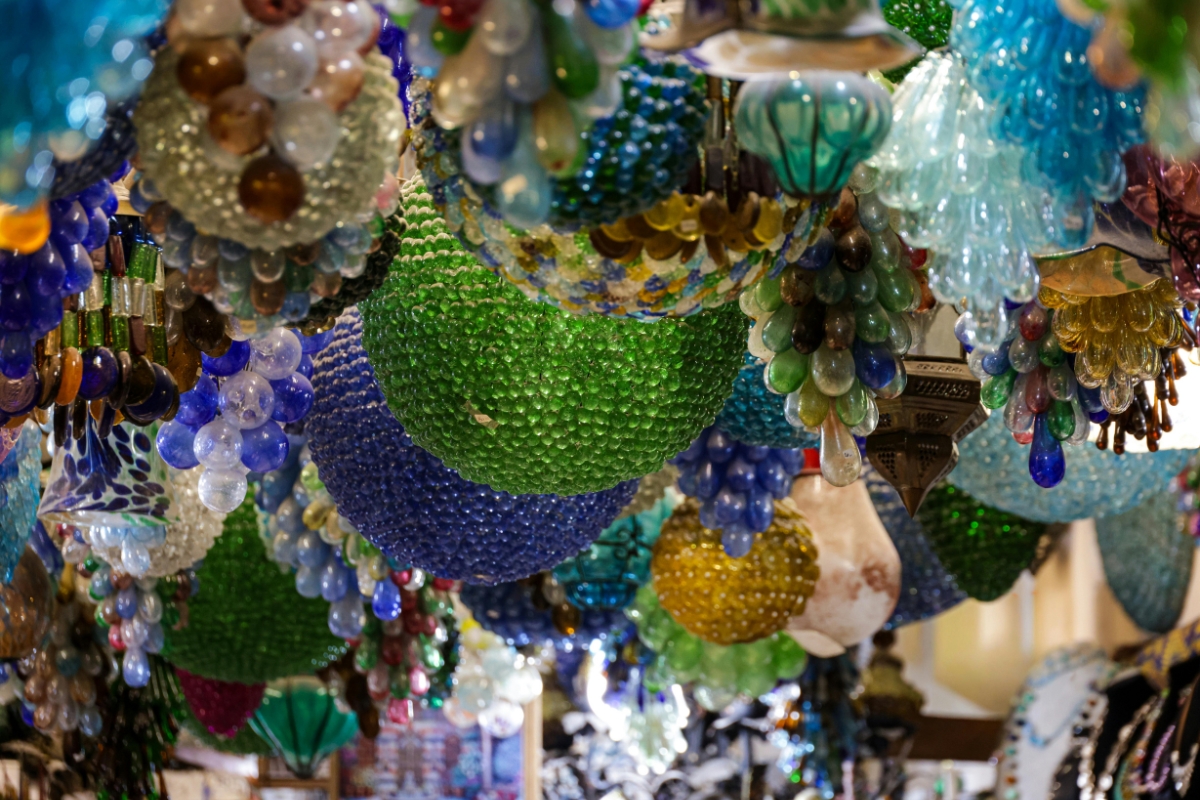
Murano glassmaking dates back to the 13th century, when Venetian authorities moved glass furnaces to the island of Murano to reduce fire risk, and to protect valuable trade secrets. What developed there became one of Italy’s most iconic crafts.
Glassblowing is as much performance as it is production. Artisans work in intense heat, gathering molten glass on the end of a blowpipe and shaping it through a combination of breath, gravity, and constant movement. The material is unpredictable – fluid one moment, rigid the next – and timing is everything.
Complex pieces, like chandeliers or layered glass sculptures, require multiple stages. Sections are reheated, reshaped, and fused together, often by teams working in perfect coordination. Techniques like millefiori (creating patterns from slices of glass rods) and filigrana (embedding delicate threads of glass within a piece) add further layers of difficulty and artistry.
Despite modern tools, much of the process remains unchanged. Knowledge is passed down through generations, and mastery can take decades to achieve.
Handcrafted ceramics
Section Type: standardWidthImageS
Vibrant Italian ceramic art.
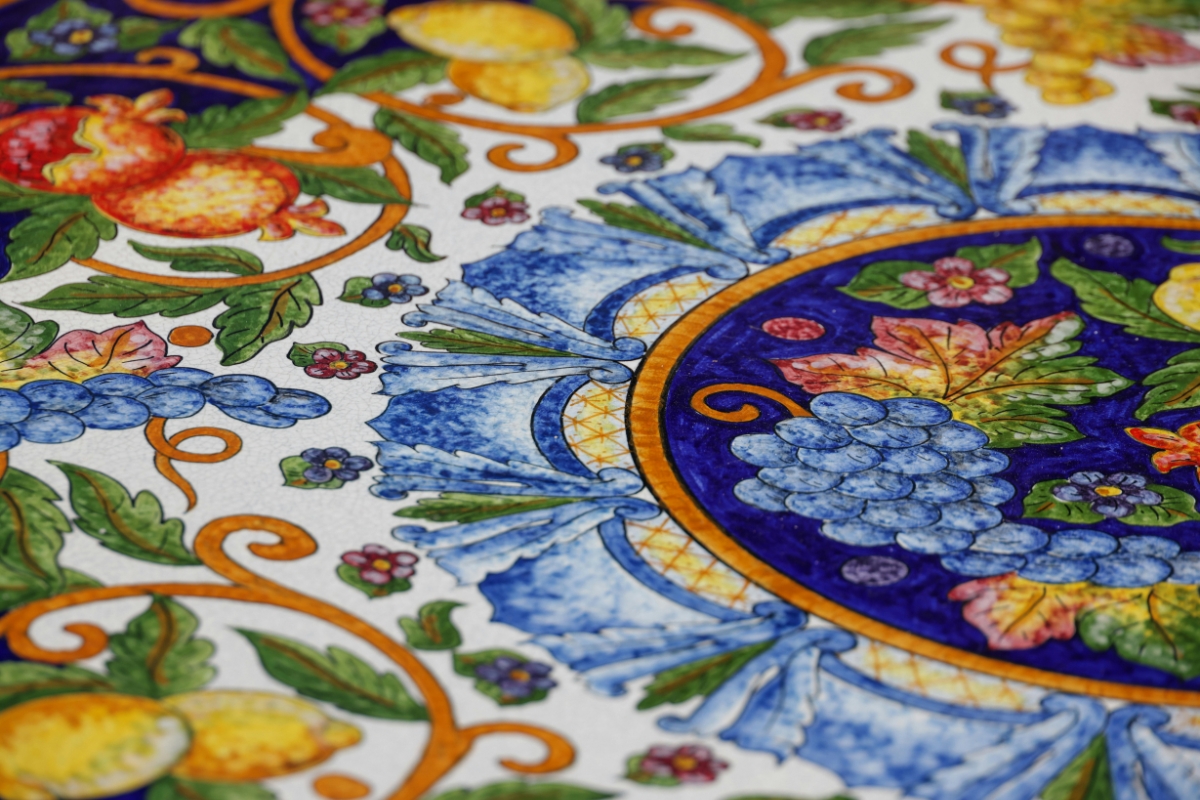
In places like Deruta in Umbria, Caltagirone in Sicily, and Faenza in Emilia-Romagna, pottery is still shaped, fired, and painted by hand. Each region has its own visual language: Deruta’s intricate Renaissance-inspired patterns, Caltagirone’s bold Mediterranean colors, Faenza’s refined elegance.
What makes Italian ceramics special is their refusal to separate beauty from function. Plates, bowls, tiles, and vases are designed to be used daily. A simple dinner plate might carry hand-painted motifs so detailed they feel almost unnecessary. But that excess is precisely the point.
No two pieces are identical. Slight variations in brushstroke, glaze, or symmetry are cherished proof of human involvement.
Form meets fashion
Section Type: standardWidthImageS
The process of shoemaking.

Italian tailoring and shoemaking share the same philosophy: structure should serve movement, not restrict it. In Naples, tailoring is famously soft and unforced. Jackets are lightweight, with minimal padding and relaxed lines. The goal is clothing that follows the body rather than shaping it aggressively. Techniques like the Neapolitan “spalla camicia” shoulder reflect this ethos, giving garments a slightly relaxed but highly intentional silhouette.
Shoemaking follows a similar principle. In regions like Tuscany and the Marche, shoes are still constructed by hand through dozens of precise steps. Leather is cut, shaped, stitched, and finished slowly, often over several days or weeks. The result is footwear that adapts to the wearer over time.
Both tailoring and shoemaking have an almost architectural approach to clothing. Italian artisans aren’t just making garments or shoes, they’re designing how fabric and leather interact with the human body in motion. Comfort, proportion, and elegance are inseparable.
The ancient art of bookbinding
Section Type: standardWidthImageS
Bookbinding with gold tooling.

Bookbinding in Italy dates back to monastic scriptoria and Renaissance print houses. Today, it survives in specialist workshops in cities like Florence, Rome and Ferrara.
Books are still assembled by hand: pages folded into signatures, sewn together, and bound in leather, cloth, or decorative paper. Some are restored centuries-old manuscripts; others are bespoke journals or limited-edition works.
Decorative techniques like gold tooling and marbled endpapers add layers of detail. But the real craft lies in structure: how a book opens, flexes, and endures use over time. In a world where much of our reading is done on screens, handling a properly made book can be transformative.
Against the tide
Automation and mass production are everywhere, but Italian artisans still rely on hand, eye, and memory.
Forget branding or logos, every object carries a trace of its maker. Whether it’s a piece of furniture, a ceramic bowl, a tailored jacket, or a hand-bound book, the message is the same. Things made slowly tend to last longer, and matter more.
See these master craftspeople at work on a bespoke adventure with SA Expeditions.
Section Type: cta
Interested in the Italian adventure of a lifetime? Browse our Private Italy Tours or talk with a Destination Expert today.















Copyright © 2026 SA Luxury Expeditions LLC, All rights reserved | 8 The Green, Suite A, Dover, DE, 19901 | 415-549-8049