




Every year, tens of thousands of humpback whales make an extraordinary journey along Australia's coastline. These enormous animals pass headlands, surf beaches and tropical islands, occasionally launching themselves out of the water in spectacular breaches.
For travelers, it's an opportunity to witness one of nature's great migrations without venturing far from shore. But the real magic lies in understanding what's happening beneath the surface. This isn't simply a procession of whales. It's an annual journey between feeding grounds in the Antarctic and warmer waters where the next generation begins its life.
A 6,000-mile round trip
Section Type: standardWidthImageS
Australia offers warmer waters for Blue Whale calves, which have less insulating blubber than adults.
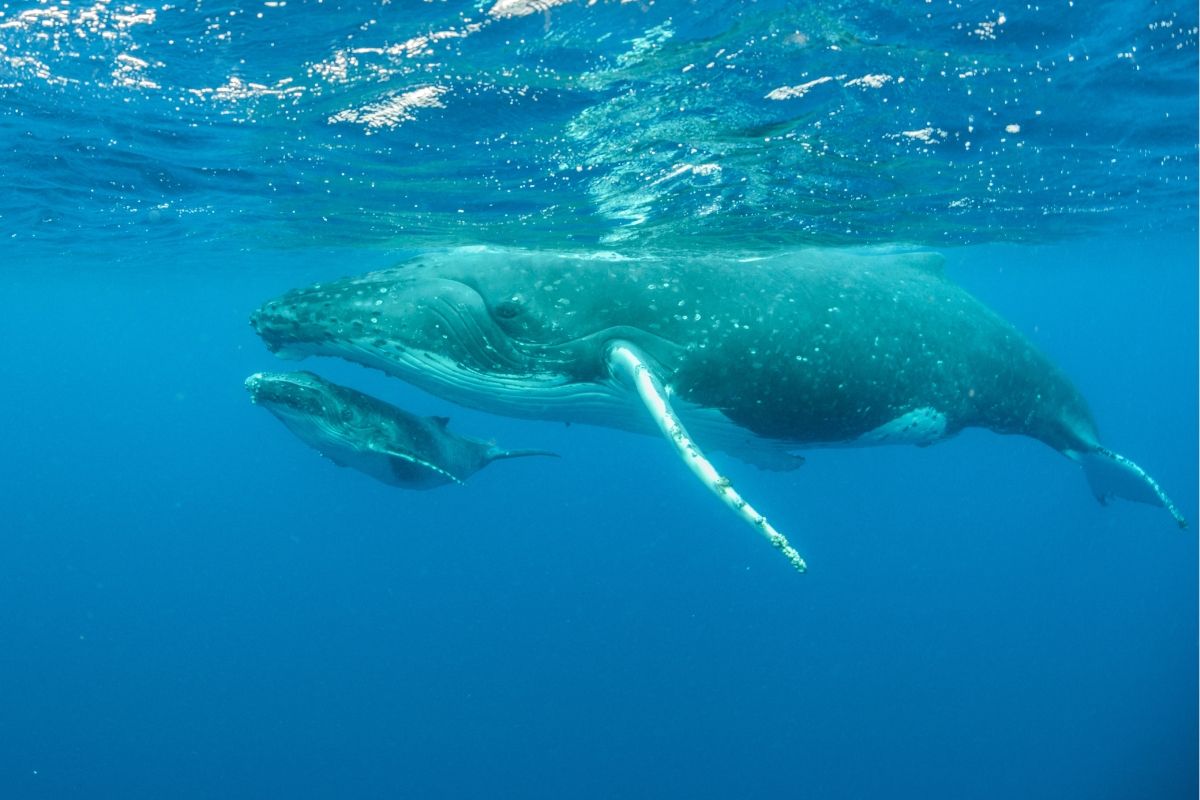
Humpback whales spend the southern summer feeding in the cold, food-rich waters of the Southern Ocean, building up energy reserves on a diet that includes krill and small fish. As winter approaches, they head north toward warmer tropical and subtropical waters to mate and give birth.
Along Australia's east coast, the migration can cover a round trip of around 6,000 miles. The northbound journey generally takes place in the Southern Hemisphere’s fall and winter, with whales heading back south from late winter into spring. Exact timing varies, but the broader migration season runs from around May to November.
The warmer waters off Australia offer an important advantage for newborn calves, which have less insulating blubber than adults. Mothers can nurse their young in a more hospitable environment before the long journey south. Because the whales follow broadly predictable coastal routes, Australia offers some excellent opportunities to see them along the way.
Where to see Australia's humpback whales
Section Type: standardWidthImageS
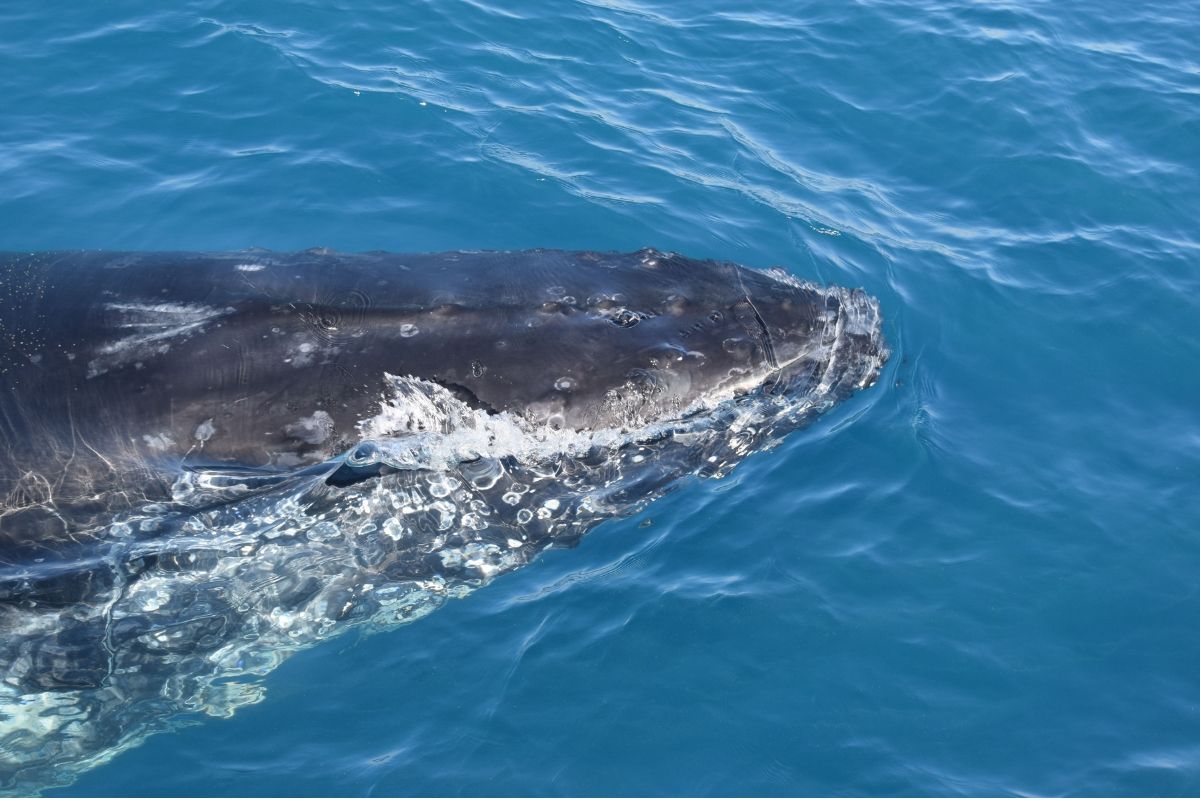
A whale surfacing in Hervey Bay, Queensland.
Sydney and the New South Wales coast: From May onward, humpbacks pass Sydney on their northbound migration, often close enough to be spotted from coastal headlands. Join a boat trip for a closer look, or bring binoculars to a clifftop lookout. The return migration, from around September to November, offers another chance to see the whales heading south.
Hervey Bay, Queensland: If you'd like to spend more time with the whales, head to Hervey Bay between July and October. The bay offers relatively sheltered waters where humpbacks often pause during their southbound journey. Mothers and calves are among the visitors, and the whales' curious surface behavior can make for memorable encounters.
Ningaloo Reef, Western Australia: On Australia's west coast, humpbacks migrate along the Ningaloo region between roughly July and October. The area is particularly appealing for travelers combining whale encounters with snorkeling, diving and exploring the reef's marine life. In some locations, guided in-water encounters are available under strict rules designed to protect both whales and swimmers.
Wherever you go, sightings are never guaranteed. That's part of the appeal of wildlife travel: you're witnessing animals in their natural environment, not watching a scheduled performance.
What to look for
Section Type: standardWidthImageS
Keep an eye out for plumes of vapor, tails sticking out of the water, and if you're lucky, a full breach.
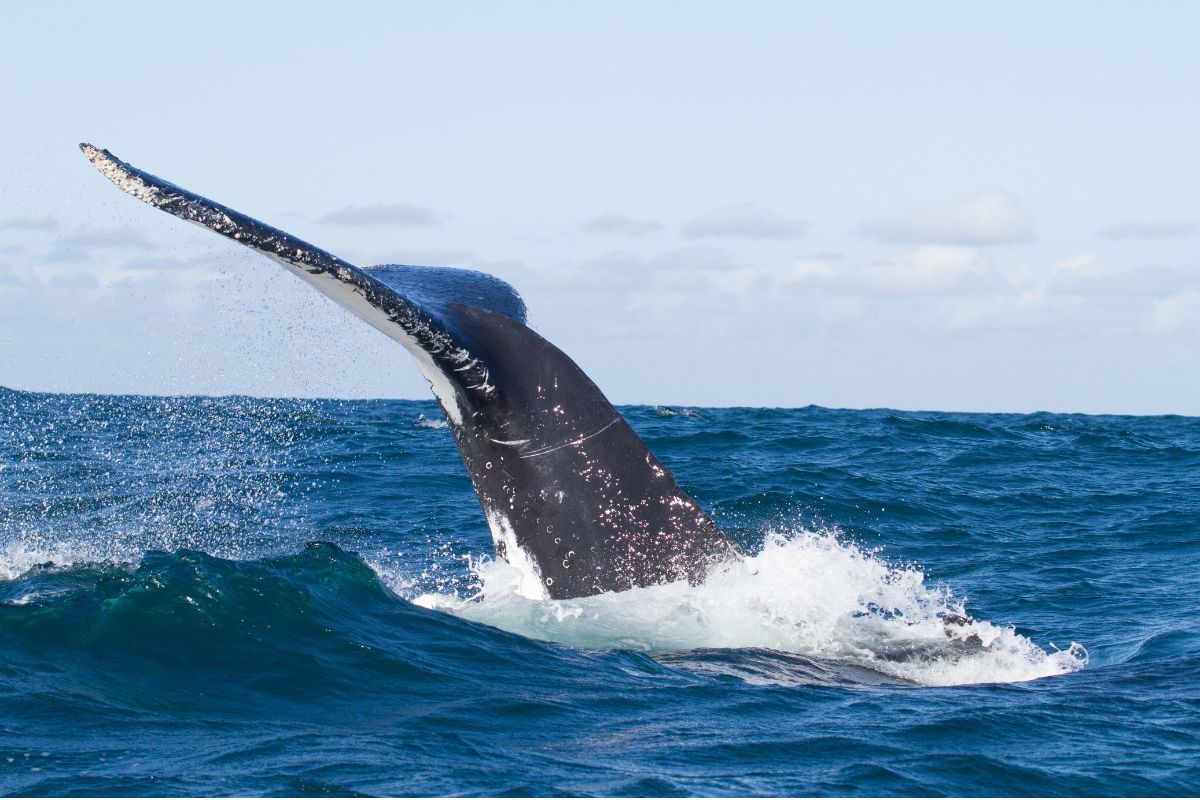
A whale-watching trip can involve long stretches of blue ocean, so knowing what to look for adds to the fun. The first clue is often a blow: a plume of vapor rising as a whale surfaces to breathe. Then you might spot a dark back, a tail lifting above the water, or a long pectoral fin slapping the surface.
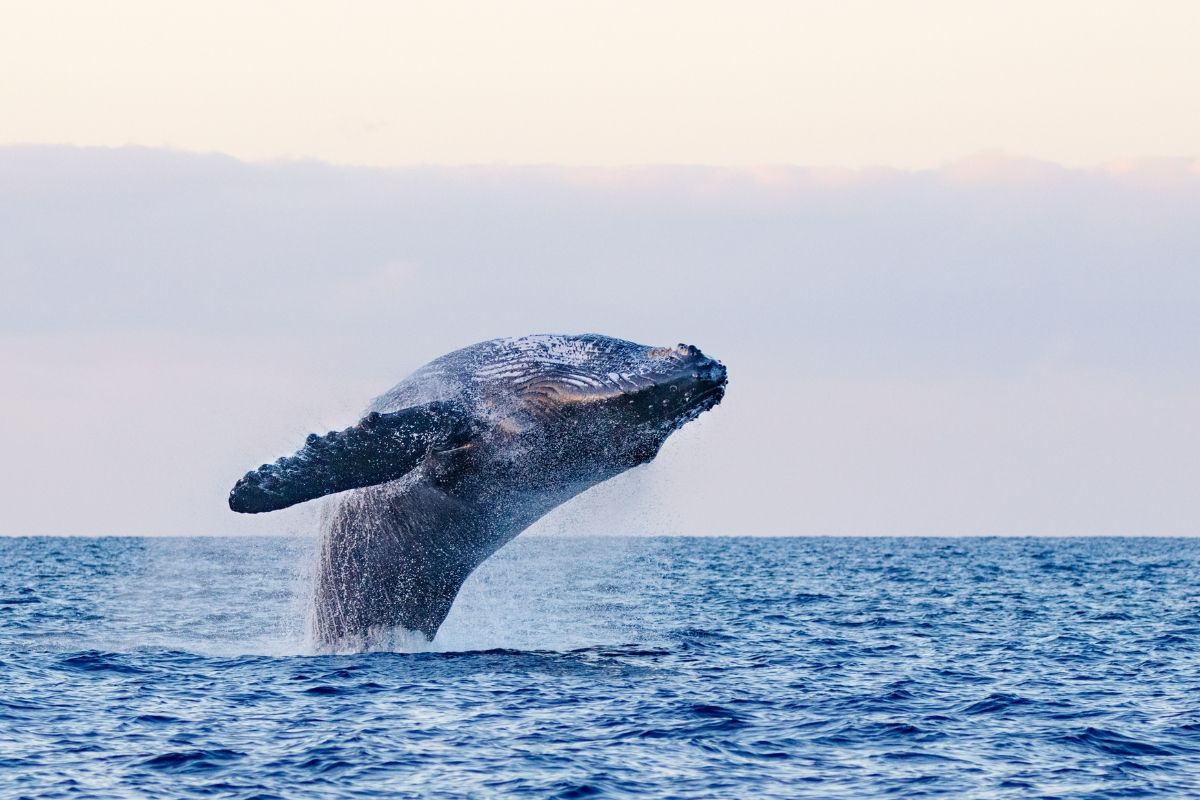
And if you're lucky, you'll witness a breach, when a whale propels much of its enormous body out of the water before crashing back down. Scientists have several theories about why whales breach, but the precise reasons can vary.
Humpbacks are also famous for their songs, complex vocalizations that can carry through the ocean – and you can actually hear the songs if you’re snorkeling near whales.
Other great humpback migrations
Section Type: standardWidthImageS
The warm waters of Hawaii are well known for hosting mother whales and their calves.
Australia is not the only place to witness this annual journey.
South Africa and Mozambique: Humpbacks migrate north along southern Africa's east coast toward breeding grounds in warmer waters off Mozambique and Madagascar. South Africa's coastline offers excellent opportunities to spot them, particularly during the winter and spring migration.
Hawaii: Each winter, humpbacks arrive in Hawaiian waters after traveling from feeding grounds in the North Pacific. The sheltered waters around Maui are especially well known for encounters with mothers and calves.
The Atlantic coast of South America: Humpbacks travel to breeding grounds off Brazil, including the Abrolhos Bank, where warm waters provide an important nursery habitat.
Although the routes and seasons differ, the underlying story is much the same: whales travel enormous distances between feeding and breeding grounds, following a cycle shaped by food, temperature and reproduction.
A migration worth traveling for
Few wildlife encounters combine such impressive scale with such accessible viewing opportunities as Australia’s humpback migration. You don't need to travel to the ends of the Earth or spend days at sea to have a chance of seeing humpbacks. Instead, they pass some of the country's most beautiful coastlines, making whale watching an easy addition to a wider adventure.
Section Type: cta
Ready to see Australia's humpback whales for yourself? SA Expeditions can help you plan a journey that combines whale watching with Australia's other highlights, from the Great Barrier Reef and the wild beauty of Ningaloo to Sydney's iconic harbor. Speak to a Destination Expert to start planning your Australian adventure.








Copyright © 2026 SA Luxury Expeditions LLC, All rights reserved | 8 The Green, Suite A, Dover, DE, 19901 | 415-549-8049
