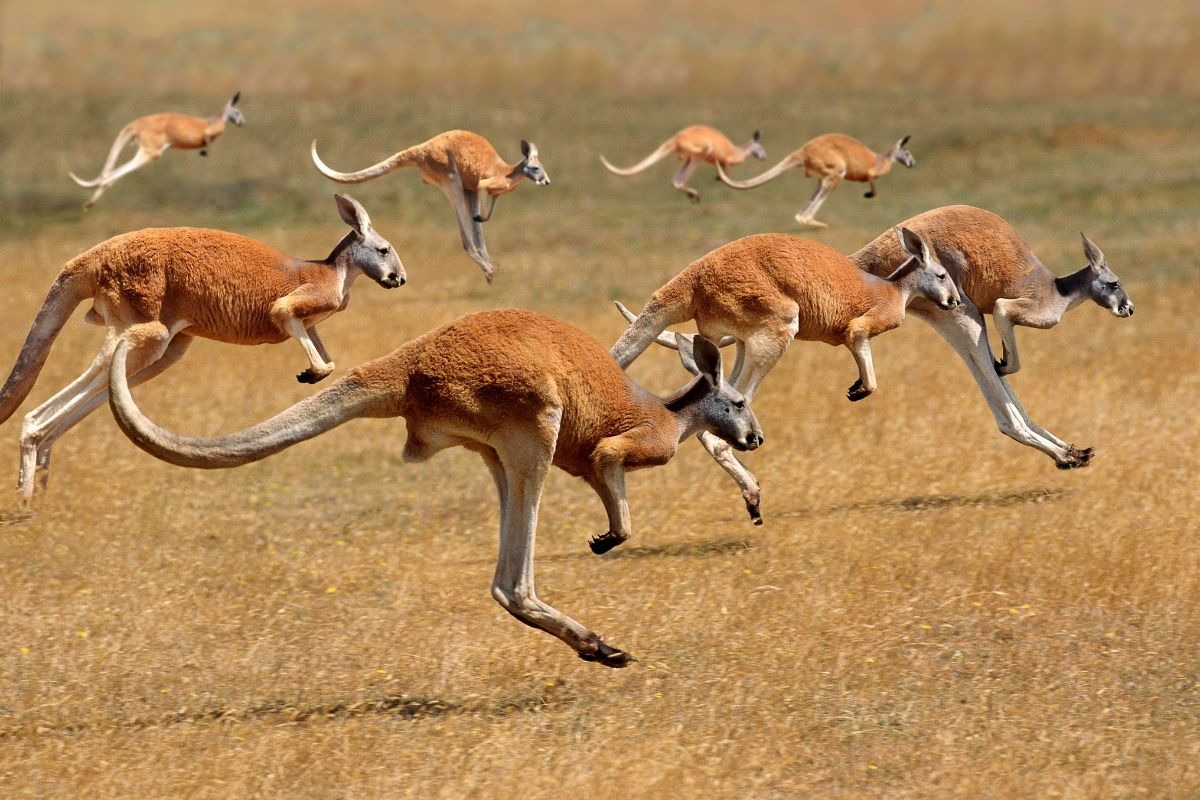
Part national treasure, part Outback adversary, the kangaroo occupies a complex space in Australia. Understanding this divide reveals a deeper story of Indigenous heritage, environmental balance, and the realities of modern land management.
The icon
Few animals are as closely associated with Australia as the kangaroo. They feature prominently on the national Coat of Arms alongside the emu because neither animal can easily move backward, signaling a progressive nation. This symbolic power reaches far beyond state seals, appearing everywhere from coins and sporting uniforms to national brands and public spaces.
Beyond modern state symbolism lies a far deeper connection. Australia’s Aboriginal and Torres Strait Islander peoples have maintained diverse cultural, spiritual, and practical relationships with kangaroos for tens of thousands of years. The marsupial is featured in traditional stories and ancient rock art and has long provided essential food, hides, and materials.
Behind the postcard imagery
Section Type: standardWidthImageS
Warning signs along the highways in Australia remind drivers to stay alert of kangaroos.
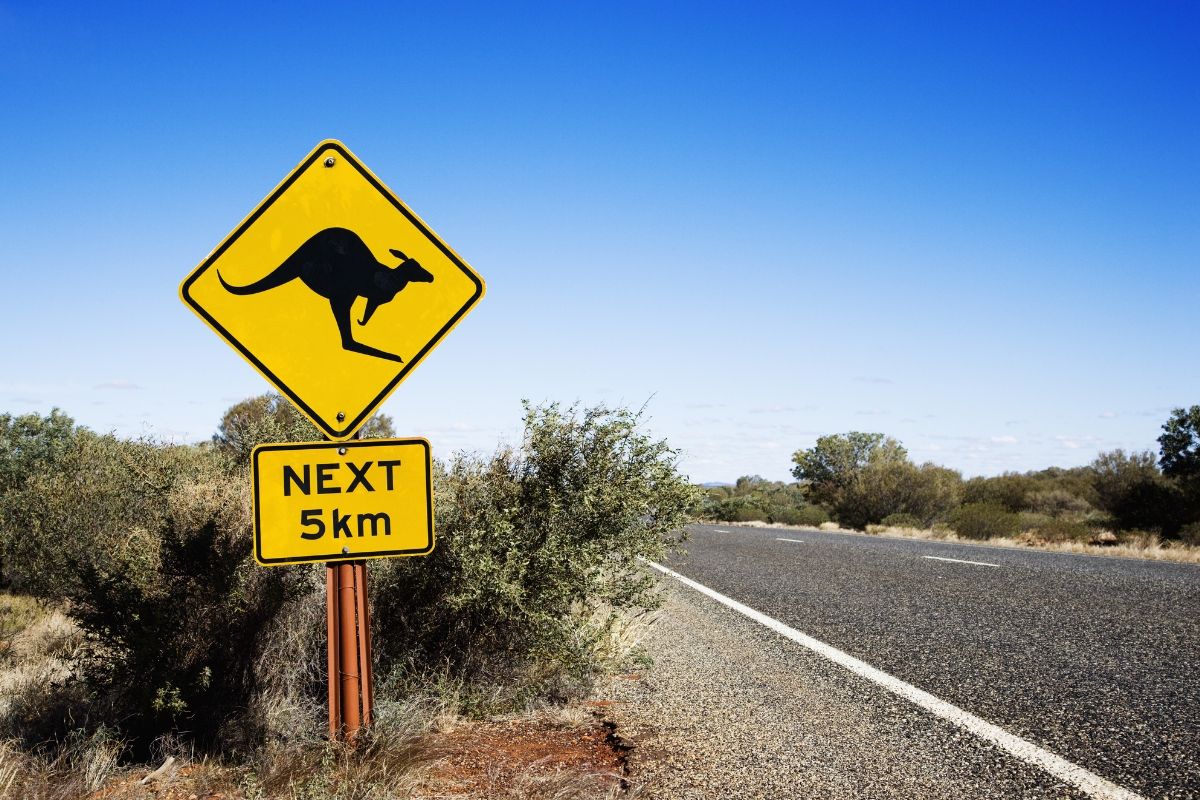
Drive inland, and you quickly see what it means to live alongside wild kangaroos. Heavy steel bull bars on long-haul vehicles are not just for show; they protect against collisions at dawn and dusk, when animals are most active. Along the highway, warning signs constantly remind drivers to stay alert.
Landscape changes have also reshaped these encounters. European settlers cleared land and drilled wells for livestock, inadvertently boosting local kangaroo numbers by creating vast pastures and dependable water sources.
When drought returns, this balance breaks down. Large kangaroo populations put a heavy strain on scarce pasture, outcompeting cattle and sheep while stripping fragile vegetation. Driving down remote desert tracks during a drought gives you a real sense of just how fragile this landscape gets when food and water disappear.
When an icon becomes a challenge
Wild populations fluctuate dramatically, reaching up to 40 million during peak years. When severe drought hits the arid interior, these high densities lead to widespread starvation, stripping fragile vegetation and outcompeting livestock. Driving down remote tracks during these dry spells reveals just how vulnerable the landscape becomes.
To prevent ecological collapse, Australia sets annual harvest quotas based on aerial surveys, but population management remains contentious. The same animal seen beside a highway also appears on Melbourne and Sydney menus as a low-impact, iron-rich protein. Proponents argue that harvesting kangaroos generates far less methane and soil damage than raising sheep or cattle.
Ethical opposition versus ecological necessity
Section Type: standardWidthImageS
One of Australia’s most iconic wildlife encounters: a kangaroo and her joey.
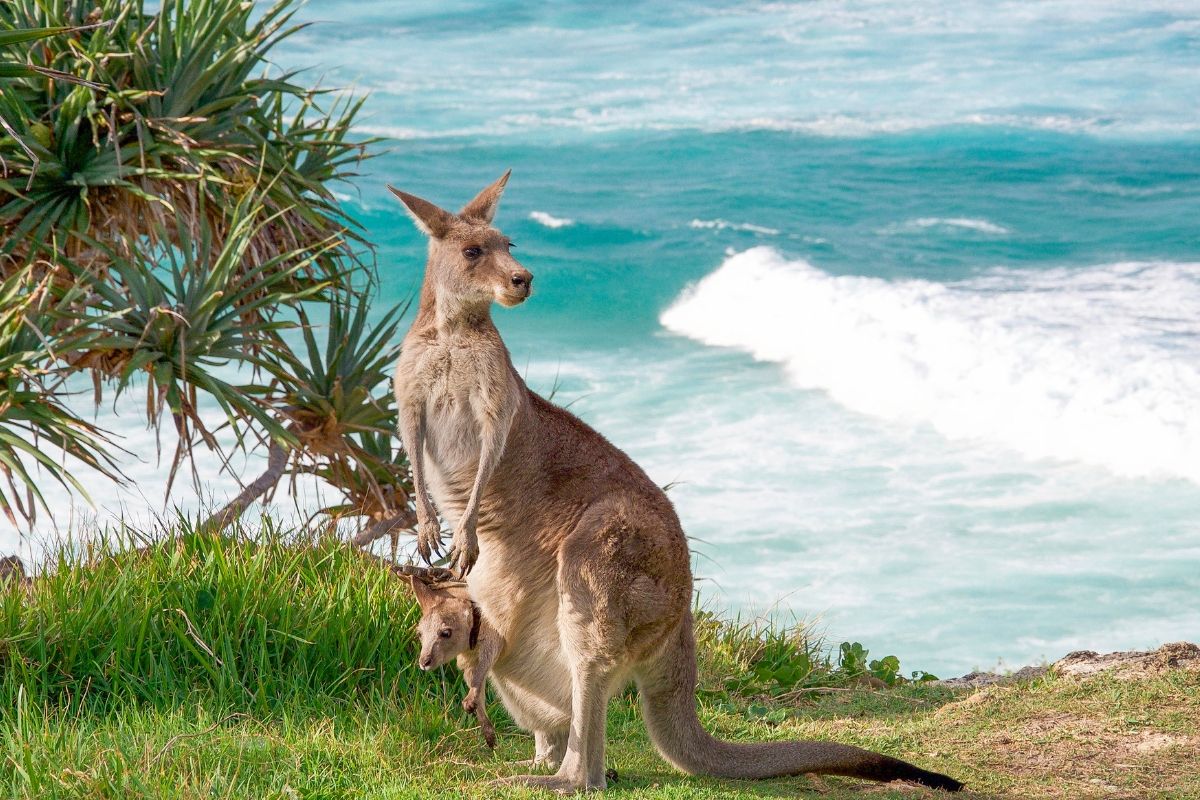
Opposition to the commercial industry remains strong. Animal welfare advocates argue commercial harvesting is inherently inhumane, pointing to orphaned joeys and the impossibility of enforcing hunting standards across vast remote areas. This campaign pressure has even led major international sportswear brands to phase out kangaroo leather, straining trade ties with local wildlife managers.
Ultimately, Australia is left balancing a tough choice: harvest a national symbol as a tool for ecological survival, or risk letting boom-and-bust cycles devastate both the animals and the land.
Seeing the landscape differently
Observing kangaroos in their natural habitat remains a highlight of visiting Australia, but understanding their place in the environment adds valuable depth to the experience. Travelers can engage with this complex dynamic by slowing down on rural roads at twilight, supporting local wildlife rehabilitation sanctuaries, choosing eco-certified tour operators, and taking time to learn how regional communities balance conservation with everyday life.
For travelers, that complexity only makes a wild kangaroo encounter more remarkable. Watching one bound across an open landscape is a reminder that this is an animal unlike almost any other—uniquely adapted, unmistakably Australian, and part of a relationship between people and land that stretches back thousands of years.
Section Type: cta
Want to experience Australia’s wildlife for yourself? Explore Australia with SA Expeditions on a custom journey designed around remarkable landscapes, meaningful wildlife encounters, and experiences that bring you closer to the country’s natural world.












Copyright © 2026 SA Luxury Expeditions LLC, All rights reserved | 8 The Green, Suite A, Dover, DE, 19901 | 415-549-8049
