



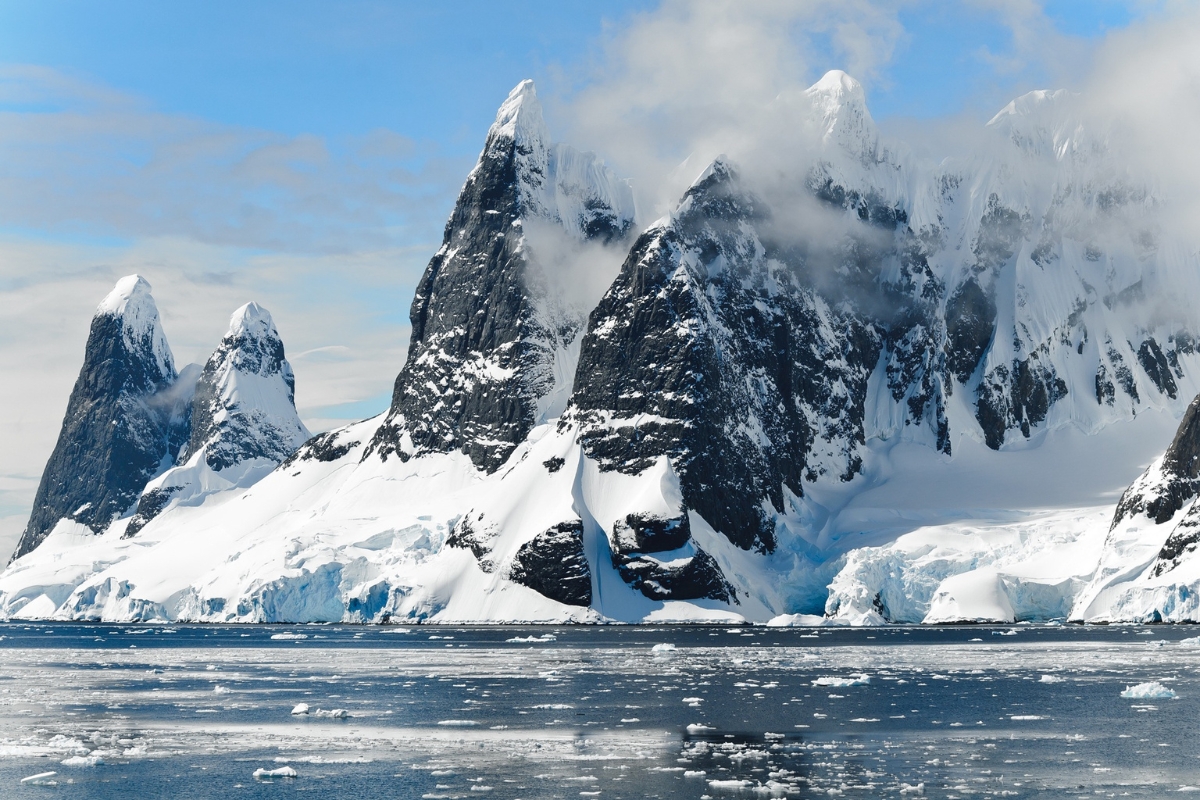
Antarctica is one of the last truly wild places on Earth: vast, silent and almost untouched by humans. As tourism grows, the challenge is balancing access with protection, and ensuring that visiting Antarctica helps to preserve it.
Pico Iyer, one of the world’s most famous travel writers, has been traveling, “almost uninterruptedly”, for 45 years. But he only visited Antarctica for the first time in 2020. “There's little to compare with the first sight of Antarctica,” wrote Iyer:
Section Type: quoteWBackgroundAndTopBottomDividerLine
I'd never seen a landscape quite so otherworldly and pristine as this. Not a sign of human habitation; and it was the absences – of telegraph poles and cars and even the possibility of a house – that made me feel as if I'd been transported to a parallel universe.
Somehow, every one of us was rendered quiet and attentive by the pervading hush: in the Observation Lounge … more than 30 red parka-clad souls stood silent as we watched the whales rise and sink, as if to utter a word might be to break the spell.
While we might not all have his way with words, anyone who has visited Antarctica will agree with the sentiment. It truly does cast a spell on all who venture there.
How fragile is Antarctica?
Antarctica is the world’s emptiest, highest, driest, windiest and coldest continent. It’s also the least understood. Contrary to popular perception, it hardly ever snows (it’s classed as a polar desert) and with just two flowering plant species it’s also the planet’s least biodiverse continental landmass.
Section Type: standardWidthImageS
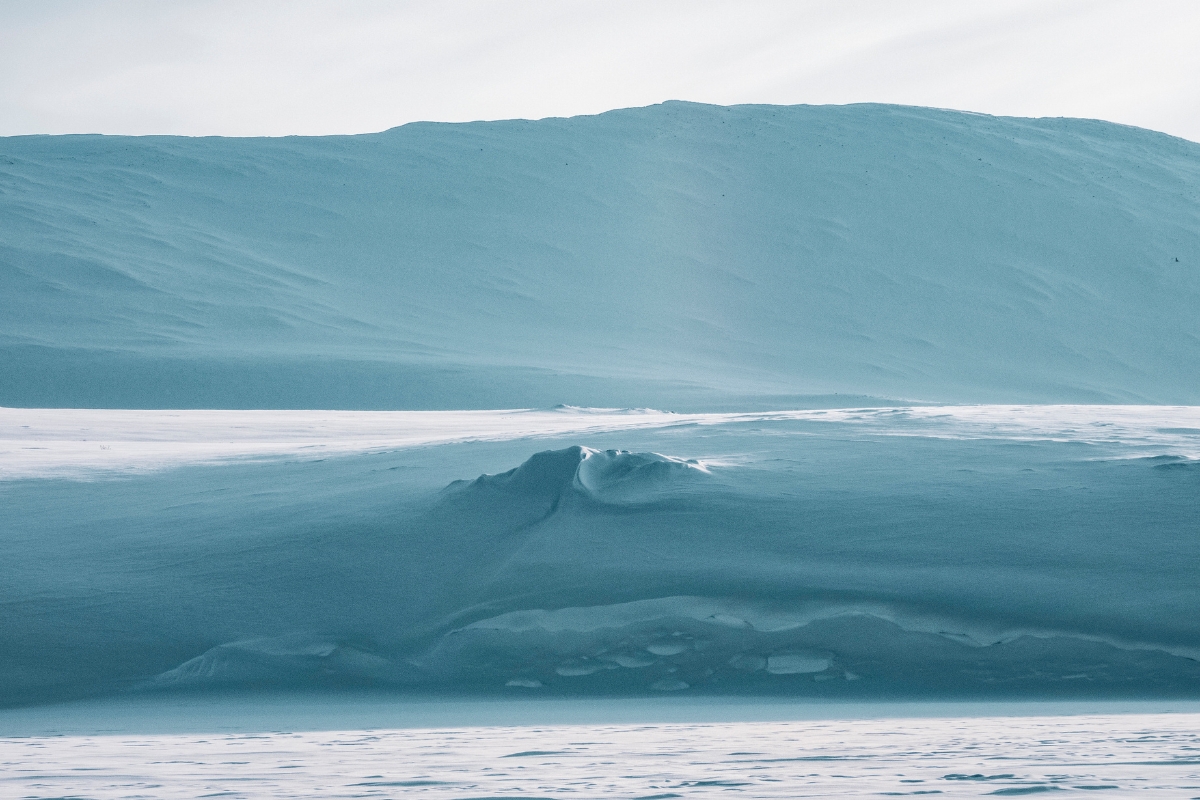
Snow covered islands in the Antarctic Sea
This doesn’t make it any less important. As the World Wildlife Fund notes:
Section Type: quoteWBackgroundAndTopBottomDividerLine
The Antarctic ice deflects some of the sun’s rays away from the Earth, keeping temperatures liveable. Although it’s not predicted that the massive Antarctic ice sheets are likely to melt completely, even small-scale melting would raise global sea levels, and cause flooding around the world.
The ocean surrounding the continent also supports masses of the world’s sea life – including 15 species of whale and dolphin, and five species of penguin. The nutrient-rich waters encourage blooms of tiny plankton, the basis of the ocean food chain.
Being so cut off from the rest of the world makes Antarctica particularly vulnerable to disturbance. It’s the only continent that remains largely pristine and humans as a species have a responsibility to keep it that way.
The challenges facing Antarctica
By far the biggest challenge facing Antarctica comes from climate change. While this is a global issue, the consequences of Antarctic ice-sheet loss could be catastrophic globally. Another major threat comes from illegal fishing which doesn’t just decimate fish populations, but also kills huge numbers of seabirds and mammals every year.
Section Type: standardWidthImageS
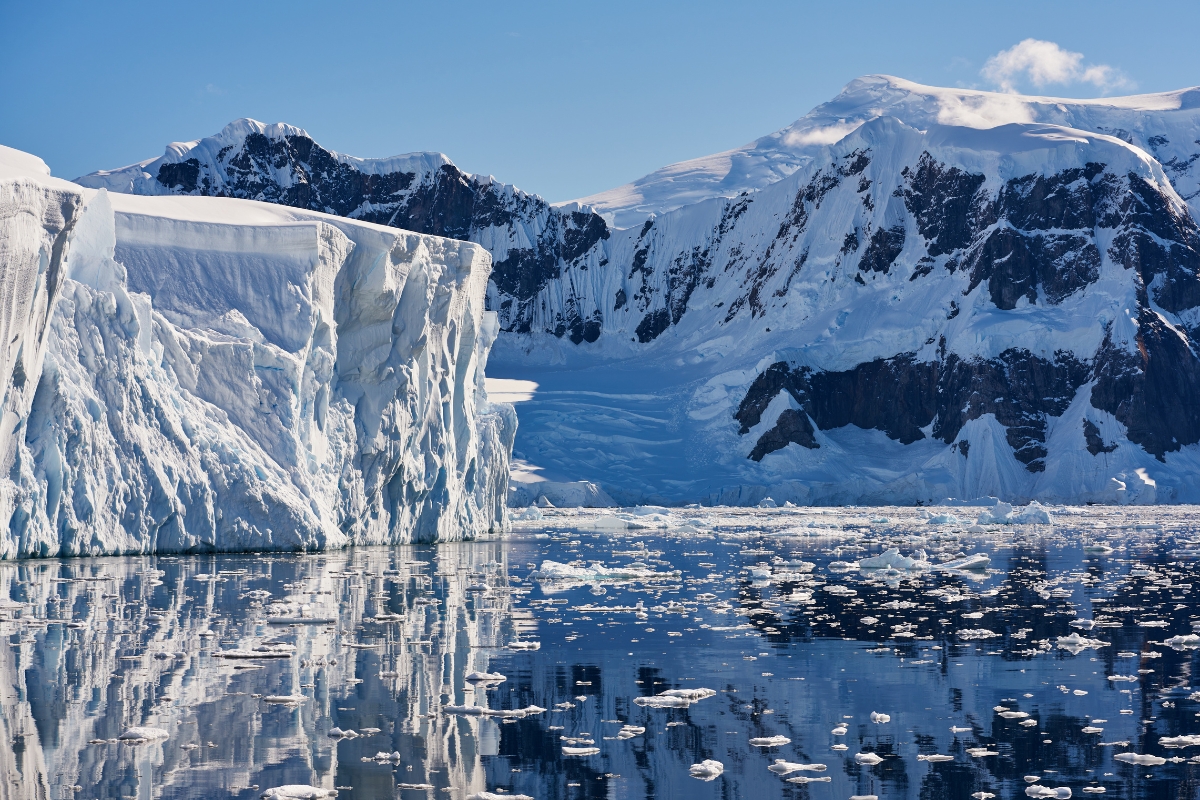
Climate change is the biggest, but not the only, challenge facing Antartica.
While it doesn’t come close to climate change or the fishing industry, tourism also poses potential problems. The introduction of alien species or pathogens could be catastrophic for the White Continent and the carbon emissions caused by cruise ships (even if they make up a tiny fraction of global emissions) cannot be discounted.
How tourism mitigates some of these challenges
Tourism is arguably more heavily regulated in Antarctica than it is anywhere else in the world. There are strict rules on where passengers are allowed to disembark (and around 30-35% of visitors don’t disembark at all) and great care is taken to ensure that no alien species or pathogens are introduced to the White Continent. While visiting Antarctica obviously has more impact than not visiting Antarctica, the Antarctic Treaty System (specifically the Madrid Protocol) ensures that the footprint each tourist leaves is minimal.
Section Type: standardWidthImageS
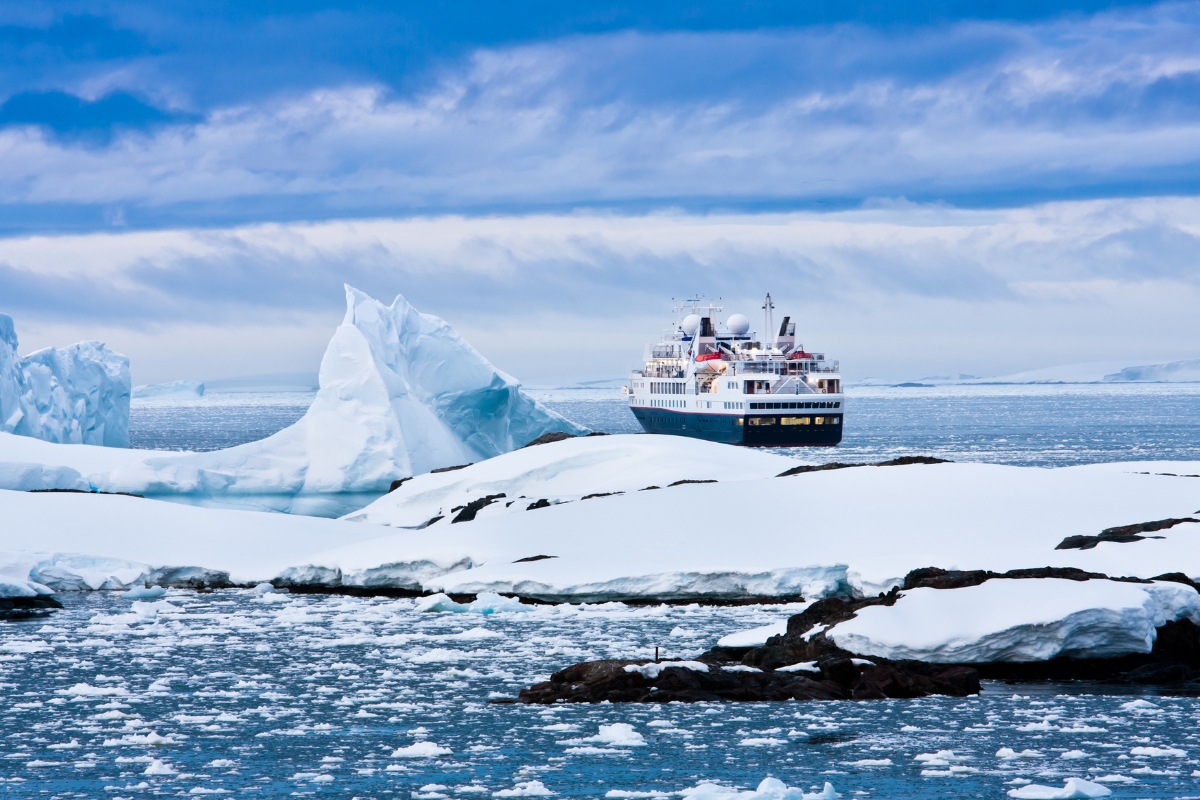
Antarctic Treaty System ensures that the footprint each tourist leaves during their travel is minimal.
But it’s not only about the physical, quantifiable impact. Many people who visit Antarctica are so moved by the experience that they become “Antarctic ambassadors.” This isn’t just some wishy-washy term: IAATO (the International Association of Antarctica Tour Operators) has all sorts of materials and checklists aimed at ensuring that those who are privileged enough to visit Antarctica use the experience to create positive change. An Antarctic Ambassador is defined as someone who:
Loves and respects the region
Educates others by sharing their Antarctic experiences
Advocates for Antarctica when opportunities arise
Protects the region by making positive changes at home
IAATO has produced handy Ambassador Challenge Cards (Level 1 and Level 2) designed to help transform visitors into activists and agents for change. As Pico Iyer so eloquently puts it:
Section Type: quoteWBackgroundAndTopBottomDividerLine
To go there is instantly to want to be sure that nothing destroys those glaciers and no fishermen deprive the penguins of their krill. Nature, over thousands of millennia, has established a balance and an order – more apparent in Antarctica (a kind of trans-human landscape) than anywhere I’ve been.
When you experience that even for a few days – and see what the earth would be like with almost no human intervention – you come home determined to work for the preservation of such purity.
The other side of the coin
Section Type: standardWidthImageS
Traveling to Antarctica in an ethical and responsible manner can be a force for good
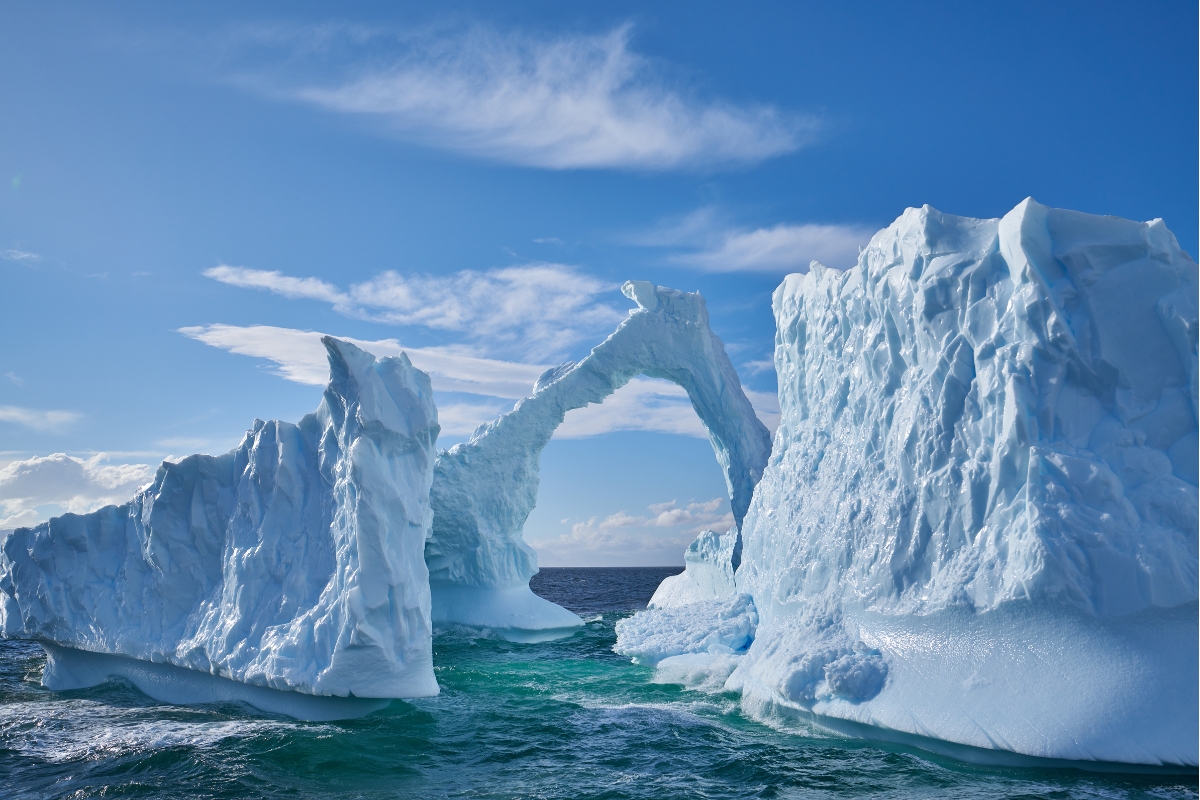
As a responsible travel company and a B Corp to boot, we would never gloss over the fact that Antarctic tourism is not all good. While IAATO does impose very strict rules on its members (cruise routes, disembarkation schedules and environmental controls are all rigidly regulated and policed) there remains no limit on the overall number of visitors to Antarctica each year.
The annual number of visitors has risen steadily from under 8,000 in the 1990s to over 110,000 in 2024-2025. While this might seem exponential, it must be seen in context: New York received 65 million visitors in 2025, that’s 550 times more than Antarctica.
The rise is not linear, either: instead of increasing steadily every year, the total number of visitors fluctuates in line with global economic sentiment. What’s more, 98% of Antarctic tourism takes place on and around the Antarctic Peninsula – leaving the remainder of this vast continent as untouched as ever before.
This is not to say that a cap on visitor numbers, or stricter regulation of routes and disembarkations, will not be necessary in the future. But for now, we believe that traveling to Antarctica in an ethical and responsible manner can be a force for good – not to mention a mind-altering personal journey.
Section Type: cta
Check out a few of our Antarctica offerings here. Then speak to a Destination Expert about taking the first step toward ambassadorship.











Copyright © 2026 SA Luxury Expeditions LLC, All rights reserved | 8 The Green, Suite A, Dover, DE, 19901 | 415-549-8049