
Planning a summer getaway from North America (June through August)? Keep in mind you’ll be stepping straight into Australian winter. Because seasons down under are flipped, while you're planning a warm getaway, Sydney is actually cooling off.
Australia spans roughly the same area as the continental U.S., so climate varies wildly by region. Southern cities like Sydney experience four distinct seasons, while the tropical North (home to the Great Barrier Reef) runs on a warm wet-and-dry cycle. Matching your itinerary to these weather zones is the real secret to timing your trip right.
High season in Australia
Section Type: standardWidthImageS
During Australia's high season, visiting major attractions requires months of planning.
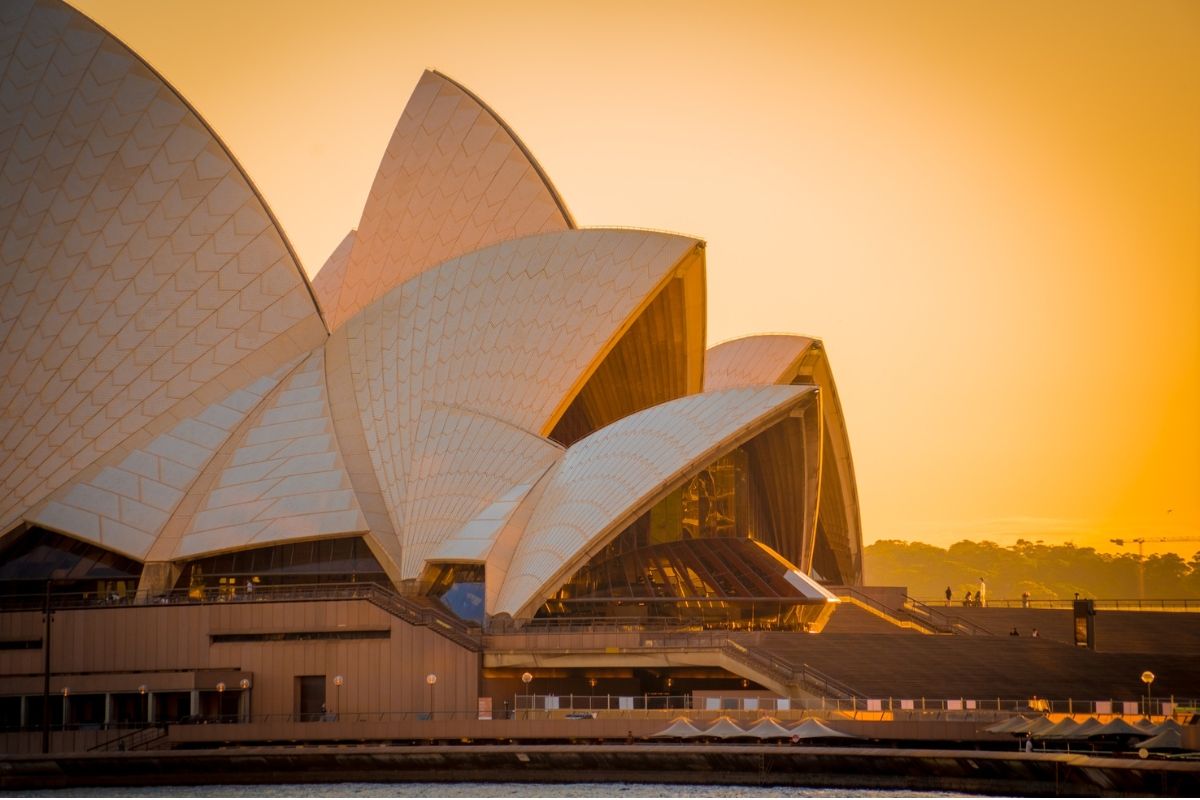
Australia has a peak travel season. But high season depends entirely on which region you plan to explore.
National high season runs from December through February during the Australian summer. This aligns with North American winter escapes and local Australian summer school holidays from late December through January. Coastal cities are packed, flights and hotels hit peak prices, and major attractions require months of planning.
Tropical high season runs from June through August during the Australian winter. Northern destinations like Port Douglas, the Great Barrier Reef, and Outback regions like Uluru reach peak demand as travelers head north to trade southern chill for warm, dry daytime temperatures.
Summer (December to February)
Section Type: standardWidthImageS
Tropical monsoonal showers bring the rainforests to life in the summer.
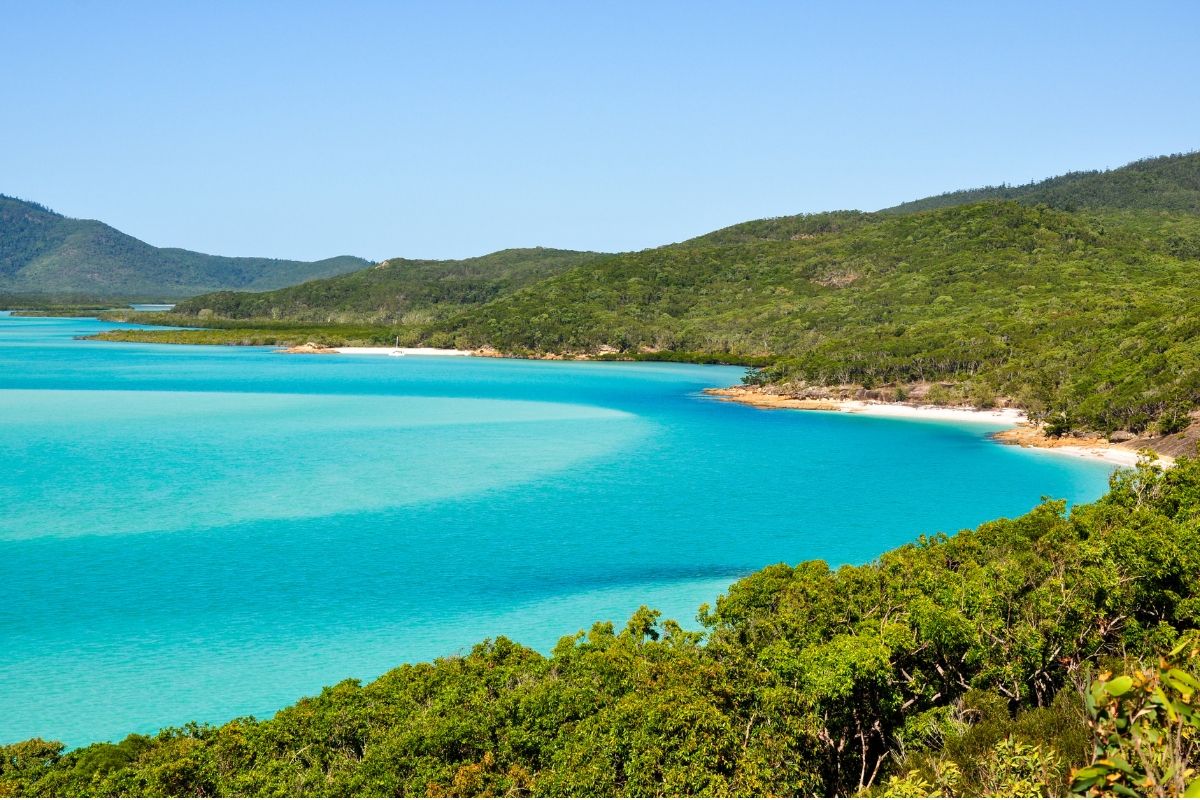
Sydney shines brightest and hottest from December through February. Daily temperature highs range from 78°F to 82°F, making it prime weather for coastal walks from Bondi to Coogee. Keep in mind that local school holidays run through January, bringing busy public transport, packed beaches, and bustling ocean pools.
Pairing Sydney with a trip north to the Great Barrier Reef during these months? You will encounter warm, tropical monsoonal showers that bring the rainforests to life. Reef tours also provide lightweight Lycra "stinger suits”— a simple standard safety measure that doubles as great sun protection while snorkeling in water temperatures ranging from 82°F to 85°F.
Autumn (March to May)
Section Type: standardWidthImageS
The Blue Mountains offer an Autumnal escape.
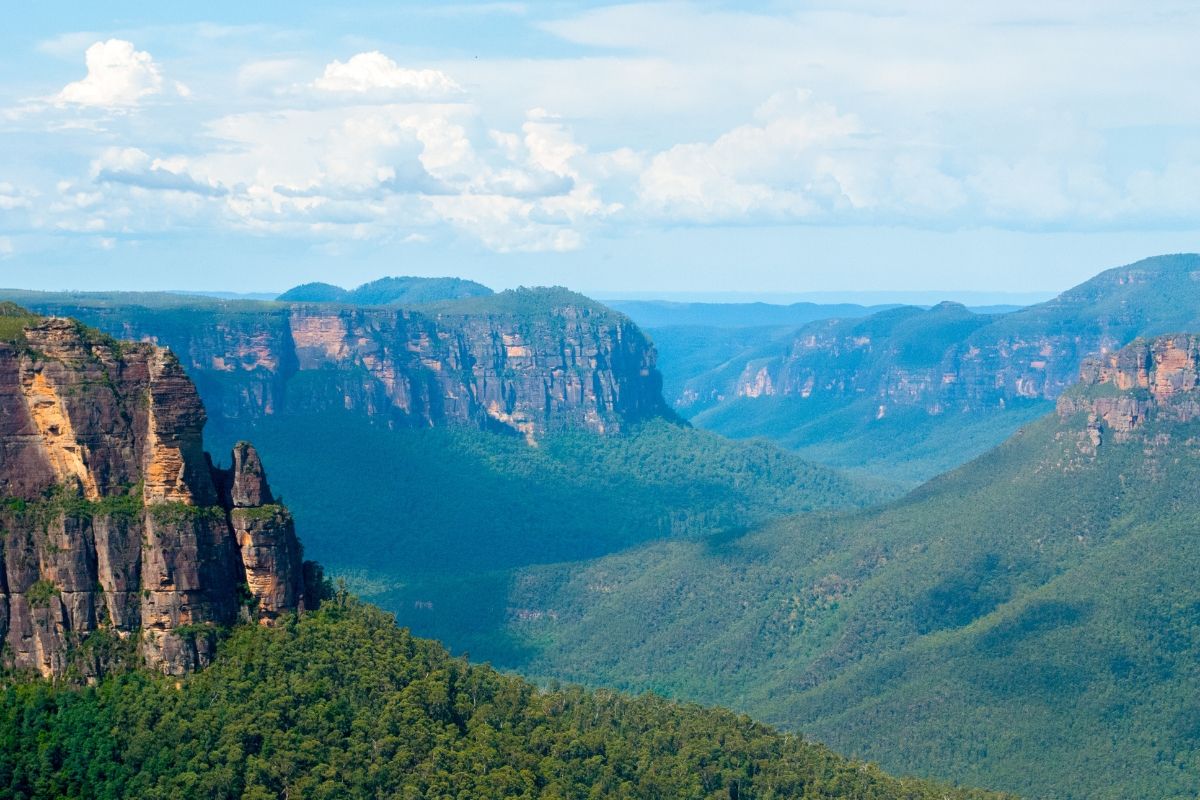
Autumn is one of the best shoulder seasons to visit Australia. Temperatures become more comfortable, crowds thin out, and airfare tends to drop.
March through May is Sydney’s sweet spot. The scorching summer heat softens into crisp, sunny days averaging 72°F, and humidity drops significantly. It’s ideal hiking weather, especially if you take a day trip to the nearby Blue Mountains, where cooler air turns the valleys into a crisp autumn escape.
Winter (June through August)
Section Type: standardWidthImageS
Winter offers ideal conditions for exploring the Daintree Rainforest.
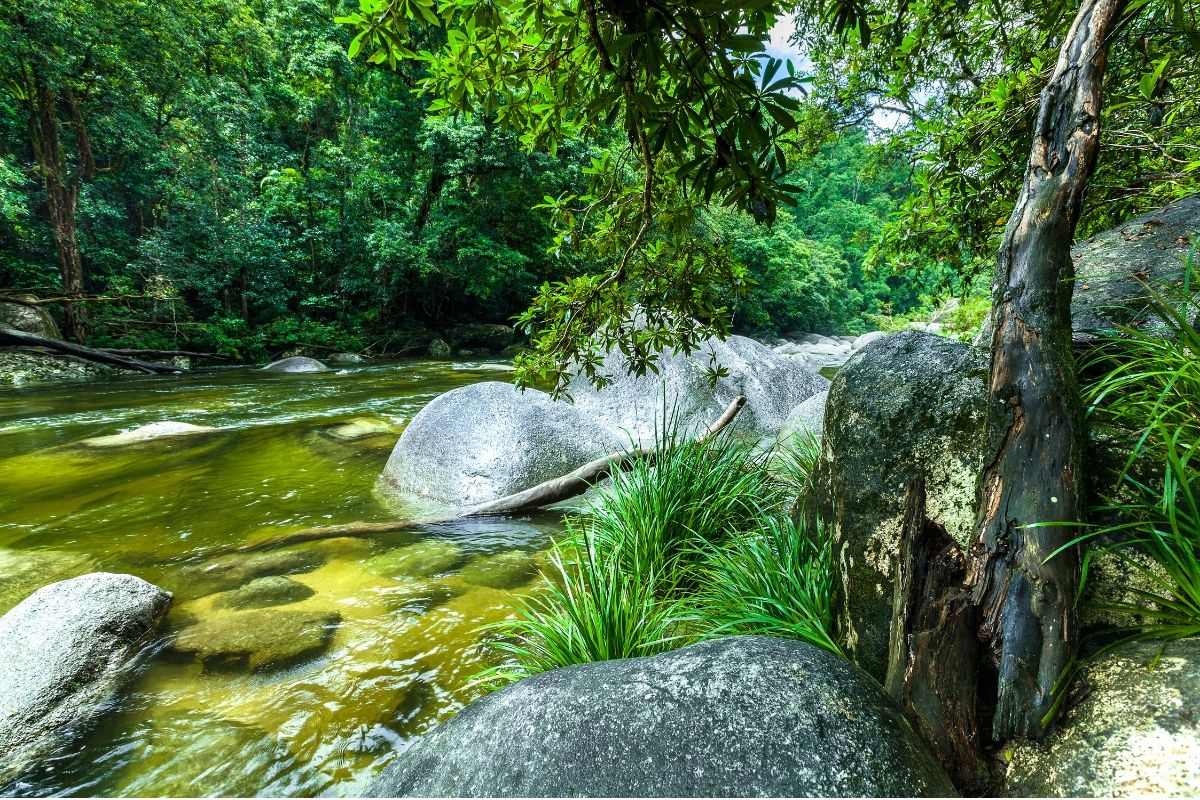
While southern Australia cools down, the tropical north enters its prime weather window. Port Douglas experiences minimal rain and daily temperatures around 78°F, making it ideal for exploring the Daintree Rainforest. Down the coast, Hamilton Island also enjoys warm, sunny days suited for island hopping and spotting migrating humpback whales.
Don't expect tropical heat year-round. From June to August, Sydney cools down to daytime averages of 60°F, with chilly evening breezes off the harbor. You won’t get snow in the city, but you will need a lightweight jacket. If you want beach heat in July, you’ll need to fly north to Queensland.
Spring (September to November)
Section Type: standardWidthImageS
Jacarandas transform the streets of Sydney in the Spring.

Spring is one of the best all-around times to visit Australia, especially if your itinerary spans multiple states. In Sydney, temperatures average a comfortable 70°F with dry, sunny weather and blooming jacarandas transforming city streets. Temperatures gradually rise across the south, while the northern tropics remain pleasantly dry, making spring a comfortable time to explore Australia from coast to coast.
Planning your trip
Peak Australian summer (December through February) offers iconic beach days and electric energy, but expect hotel rates to skyrocket, crowds to surge around major events like New Year's Eve, and bookings to be mandatory.
Mid-year travelers (June through August) can unlock a great multi-destination trip by combining Sydney’s crisp, jacket-weather culture scene with a flight north to Queensland's warm tropical reef.
However, to get the absolute best of all worlds (sunny skies, comfortable walking weather, manageable crowds, and reasonable airfare), aim for the shoulder months of autumn (March to May) or spring (September to November).
Section Type: cta
The best time to visit Australia depends on the kind of experience you are looking for. Chat with a Destination Expert to get started planning your perfect adventure.












Copyright © 2026 SA Luxury Expeditions LLC, All rights reserved | 8 The Green, Suite A, Dover, DE, 19901 | 415-549-8049
